Tips for Cancer Caregivers: 10 Practical Steps for Families
Tips for cancer caregivers during treatment: hygiene, food, rest, symptom tracking, warning signs and self-care, with when to call the oncology team.
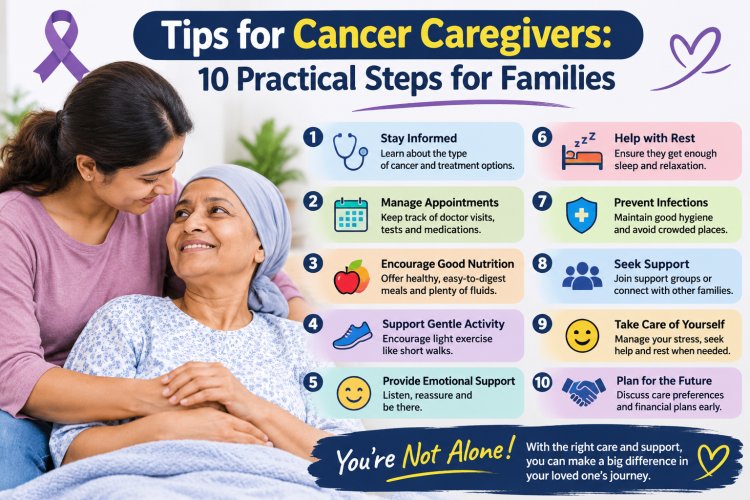
Tips for cancer caregivers come down to ten habits: keep hygiene and food safe, support eating and rest, listen, track symptoms, keep records, know the warning signs, make the home safe, ask for professional help early, and protect your own health. Every medical decision stays with the treating oncology team.
This article is for informational purposes only and does not constitute medical or professional care advice. Consult a qualified healthcare professional or licensed home care agency before making any care decisions.
If the patient has a fever of 38°C (100.4°F) or higher during treatment, trouble breathing, new confusion or bleeding that will not stop, call the oncology team or 112 now. Do not wait for the next appointment.
Picture a Friday evening in the middle of chemotherapy. A mother has a temperature, and her daughter, who has handled the tablets, meals and hospital visits alone, is unsure whether this is normal. Families caring for a family member with cancer meet that doubt every week. These cancer caregiver tips cover hygiene, food, rest, emotional support, records, warning signs and your own well-being, always alongside the oncology team's advice.
Understanding the Role of a Family Caregiver During Cancer Treatment
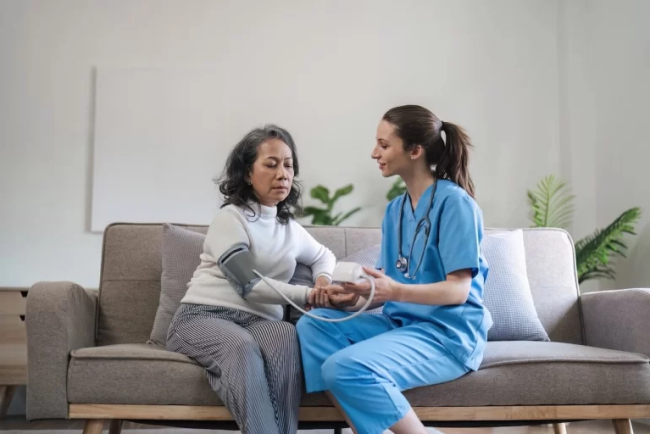
The National Cancer Institute (NCI) describes caregiving as help with daily activities, giving medicines or assisting with therapy, personal care, coordinating services and emotional support (NCI caregiver support, updated February 2025). Supporting cancer patients during treatment is shared work. In practice the job is to follow what the team prescribed, notice change, keep the patient's own preferences in charge and share the load. Ask what the patient wants help with and what they want to keep doing, and route questions through one family contact. One person doing everything is the usual road to exhaustion.
|
Who |
What they decide or do |
|
Family caregiver |
Meals, comfort, reminders, symptom log, transport to appointments, reporting changes |
|
Oncology team |
Diagnosis, treatment plan, medicines and doses, which symptoms need action, infection precautions |
|
Home nurse, if hired |
Prescribed nursing tasks and monitoring within nursing scope, on the doctor's instruction |
Tips for Cancer Caregivers: Daily Care at Home
These daily care tips for cancer patients are general. Where they differ from the oncology team's instructions, the team wins.
Tip 1: Maintain Proper Hygiene and Prevent Infections
People treated with chemotherapy are more likely to get infections, because treatment can lower infection-fighting white blood cells. The CDC says this usually happens 7 to 12 days after each dose. Ask the oncologist when counts are likely to be lowest, then tighten routines for that window: handwashing for everyone who enters the room, a clean bathroom and bed, and food cooked through and served hot. The NCI's infection guidance advises well-cooked meat, fish and eggs. Follow the team's rules on visitors and raw produce.
Tip 2: Support Healthy Nutrition and Hydration
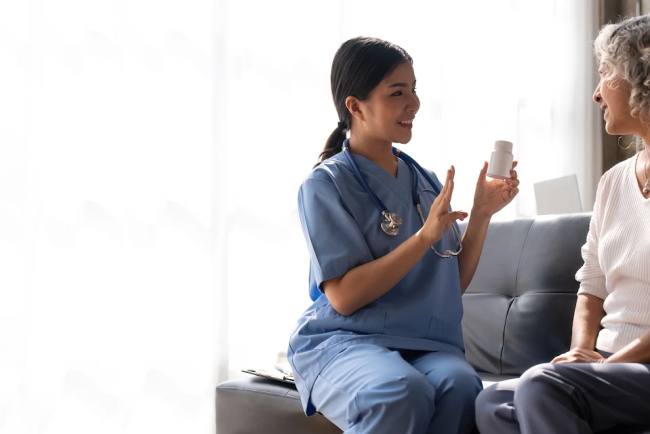
NCI's nutrition guidance (October 2024) suggests smaller meals and snacks five to six times a day instead of three large plates. Appetite, nausea and taste change from week to week, so offer what the patient can face. NCI notes that medicines often prevent or relieve nausea, so tell the team early. Vomiting can dry the body out, so ask the doctor or dietitian how much to drink. Check before adding any supplement, herbal remedy or special diet.
Tip 3: Help Manage Daily Activities and Rest
Help with bathing and dressing only as far as the patient needs; let them do what they can. Fatigue is common, so plan the day around their better hours and keep a bed or chair within reach. Encourage gentle movement only if the oncology team agrees. Keep the night route to the bathroom lit and clear, because falls are likelier when energy is low.
Supporting the Patient's Mind, Symptoms and Paperwork
Tip 4: Provide Emotional Support and Encouragement
Listen before advising. Some days the patient wants to talk about fear and other days about cricket; follow their lead. Keep family visits and routines going where energy allows. If low mood, withdrawal or hopelessness continues, tell the oncology team and ask about a counsellor, psychologist or support group. Treat any talk of self-harm as an emergency: stay with the patient and call 112.
Tip 5: Monitor Symptoms and Treatment Side Effects
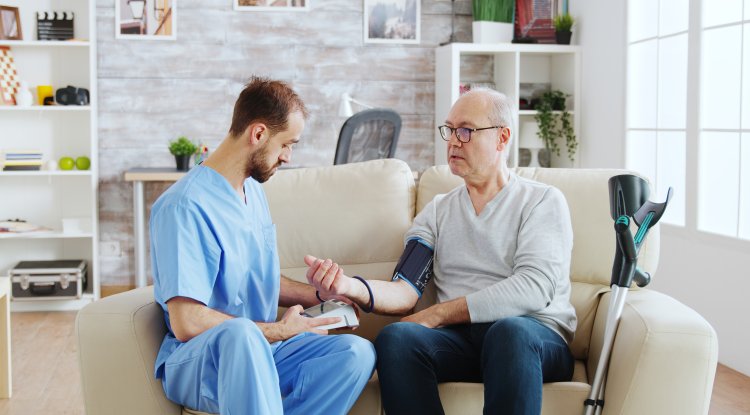
Keep a one-page daily log: temperature, eating and drinking, nausea, pain, sleep, bowel and urine changes, and anything new. Fatigue, nausea and pain are common side effects, but common does not mean ignore. Give medicines exactly as prescribed and nothing extra. NCI warns that fever medicines can hide a serious problem, so ask the team before giving any. Report new or worsening symptoms the same day.
Tip 6: Keep Medical Records and Appointments Organised
Keep one folder or phone album: the current medicine list with the doctor's doses, treatment dates, scan and blood reports, the hospital's 24-hour number and insurance papers. Write three questions before each visit and carry the symptom log. Name one family member as the contact so the team hears one consistent account.
Warning Signs and a Safe Home
Tip 7: Recognise Warning Signs That Need Medical Attention
The CDC calls a fever during chemotherapy a medical emergency and says to call the doctor right away at 38°C (100.4°F) or higher. If your oncology team gave a different number, use theirs. This table sorts the signs by urgency.
|
Sign |
What to do |
|
Fever of 38°C (100.4°F) or higher, or chills |
Call the oncology team right away, day or night |
|
Cough, sore throat, mouth sores, or redness or swelling at a catheter site |
Call the team right away; the CDC and NCI list these as signs of infection |
|
Vomiting or diarrhoea with fluids not staying down |
Call the team the same day |
|
New pain, or pain the prescribed plan is not controlling |
Call the team the same day |
|
Trouble breathing, new confusion, or bleeding that will not stop |
Call 112 or go to the nearest emergency department now |
Tip 8: Make the Home Environment Safe and Comfortable
Clear walkways, add lighting, keep essentials within reach and hold the room at a comfortable temperature. For bathroom and mobility support, ask the team or a nurse what the patient needs before buying, because the wrong aid can cause a fall. Revisit the set-up as the patient's needs change.
When Professional Support and Your Own Well-Being Matter
Tip 9: Know When Professional Caregiving Support May Help
Consider help when the log, the meals, the night shifts and the job no longer fit in one family's day, or when the doctor prescribes tasks a family should not do alone. A nurse works on the treating doctor's instruction and within nursing scope; the nurse does not change treatment. Aayan's page on Cancer Patient Care at Home in Mangalore says its nurses hold ANM, GNM or BSc Nursing qualifications with current Karnataka State Nursing Council registration, which is Aayan's own claim, so ask to see the registration. The home nursing services in Mangalore page lists areas covered, and our note on caretaker versus nurse explains which role fits which need. Agree in advance who calls the oncologist.
Tip 10: Take Care of Your Own Physical and Emotional Well-Being
The NCI notes that many caregivers put their own needs aside, and that stress can bring fatigue, poor sleep, headaches, anxiety or depression (NCI). It advises 15 to 30 minutes a day for yourself, keeping your own check-ups, protecting sleep and handing off chores, driving and updates. If stress-related changes last more than two weeks, see your own doctor. A rota among relatives protects the caregiver and the patient.
Putting the Plan Together
Start this week with three actions: write down the oncology team's emergency number and the fever rule, begin the daily log, and split tasks so no one carries everything. For advanced illness, comfort-focused support is covered in our palliative care page, and what to expect from a first home care visit shows how a nurse starts.
Need a nurse's support alongside the oncology team? See Aayan's cancer care page or call +91 96631 01975. For a medical emergency, call 112 first.
Frequently Asked Questions
What does a family caregiver do during cancer treatment?
A family caregiver helps with daily activities, medicines as prescribed, personal care, appointments and emotional support, and reports changes to the oncology team. The NCI lists these tasks. Treatment decisions, medicine changes and symptom advice always stay with the doctors.
What fever is an emergency during chemotherapy?
The CDC says fever during chemotherapy is a medical emergency: call the doctor right away at 38°C (100.4°F) or higher. Use the number your own oncology team gives you if it differs, and ask the team before giving any fever medicine.
How can caregivers prevent infections in cancer patients at home?
Wash hands often and ask visitors to do the same, keep the bathroom and bed clean, and serve food cooked through. Ask the oncologist when white cell counts are likely to be lowest and what extra precautions to follow, including visitors and raw produce.
Can a home nurse help during cancer treatment?
Yes, within scope. A registered nurse can carry out tasks the treating doctor prescribes and monitor the patient at home, and a caretaker can help with daily living. Nurses do not change treatment, so agree in advance who contacts the oncologist.
How do cancer caregivers cope with stress?
Set aside 15 to 30 minutes a day for yourself, keep your own check-ups, protect your sleep and share tasks with relatives, as the NCI advises. Join a support group or see a counsellor if needed, and see your doctor if changes last over two weeks.
General information only: it does not replace advice from the treating oncology team.
About the Author
• Lawrence Avil Pais is Founder & Managing Director of Aayan Home Nursing Services, Mangaluru. He has worked in home nursing since 2015. He writes from operational experience, not as a licensed clinician.
• Reviewed by L K Monu Borkala, a digital marketing strategist with 20+ years of SEO experience and over 650 client campaigns across India and UAE. As a founding member of OneCity Technologies, Bangalore, he oversees content strategy, editorial compliance, and SEO frameworks across education, business services, and digital marketing verticals. This is an editorial review, not a clinical one.
What's Your Reaction?