Home Nurse Responsibilities & Duties — What to Expect from Your Nurse | Aayan
Complete guide to home nurse responsibilities — patient care duties, daily routines, medication management, and vital monitoring in Bangalore.

Introduction
A home nurse is a licensed medical professional who routinely or full-time gives patients nursing care, support, and observation in their homes. Instead of having to travel to the hospital for every little need, families may rely on a home nurse for injections, dressing changes, prescription reminders, and general health care at home.
Many Indian families find it difficult to manage health, domestic chores, and medical visits, particularly when elders live alone or both children are employed. This is one of the main causes of the rapid increase in demand for home nursing care. A competent home nurse promotes recovery following surgery, lowers hospital admissions, and gives patients and their families comfort and trust.
Aayan Global acts as a reliable link between families and licensed home nurses, assisting you in locating skilled, background-checked individuals who can provide your loved ones with respectful, safe, and patient care in the comfort of your own home. This article describes what a home nurse does and how everyone may benefit from safer and easier home care with the correct assistance.
Who Is a Home Nurse?
A home nurse is a registered or certified nurse who treats patients in their homes rather than at a clinic or hospital. They ensure that everyday treatment is administered correctly and safely at home by adhering to the doctor's instructions.
There are different types of home nurses, such as live-in nurses, part-time or shift-based nurses, ICU-trained bedside nurses, post-operative nurses, and nurses who specialise in elderly or bedridden patients.
A home nurse is different from a caregiver or attendant. A caregiver mainly helps with daily tasks like feeding, cleaning, walking support, and basic comfort. A home nurse, on the other hand, is medically trained and can handle injections, dressings, vital monitoring, and clinical observation. For families, this combination of clinical skill and home comfort makes a home nurse a very valuable support.
Core Responsibilities of a Home Nurse
Medical Responsibilities
A home nurse’s first and most important role is to manage the patient’s medical needs exactly as the doctor has advised. This includes giving tablets, syrups, insulin, or other medicines at the correct time and dose, and making sure no dose is missed or repeated. The nurse also checks for side effects or unusual reactions and immediately informs the family or doctor if anything looks worrying.
Wound care is another key responsibility. For patients with surgical stitches, pressure sores, diabetic wounds, or injuries, the home nurse cleans and dresses the wound using proper sterile technique. This helps prevent infection, speeds up healing, and reduces the need for frequent hospital visits.
Numerous home nurses have received training in administering injections, managing IV fluids, nebulization, catheter management, and tube feeding in accordance with medical directives. Vital indicators like blood pressure, pulse, temperature, oxygen saturation, and blood sugar are also monitored. Regular monitoring of these allows the nurse to promptly identify changes in the patient's condition and take appropriate action, which is crucial for patients who are elderly, recovering from surgery, or have long-term medical conditions. This medical help eases the family's anxiety during health swings in many homes.
Daily Patient Care Duties

A home nurse looks after the patient's everyday comfort and routine in addition to medical duties. Helping the patient with personal hygiene, such as bathing, sponging, dental care, grooming, and changing clothes in a dignified manner, is frequently the first step in this process. In order to prevent rashes and infections, the nurse makes sure the skin of bedridden or frail patients is kept dry and clean.
Feeding support is another important duty. The nurse may help the patient sit properly while eating, assist with spoon-feeding, follow a diabetic or low-salt diet plan, and track how much food and water the patient is taking every day. For patients with swallowing difficulty, the nurse follows safe feeding techniques to avoid choking.
Another important aspect of everyday care is mobility aid. The nurse assists the patient in using a wheelchair or walker, sitting up, standing, changing positions in bed, and walking with assistance. Frequent movement and mild exercise enhance circulation, lessen stiffness, and avoid bed sores, which are common in patients who are bedridden for an extended period of time.
Monitoring & Health Reporting

One of the most valuable roles of a home nurse is ongoing monitoring and proper health reporting. Instead of only checking the patient when there is a problem, the nurse quietly observes the patient throughout the day, noting changes in breathing, appetite, sleep, pain, mood, and energy levels.
Every significant data, including a daily nursing chart, medication log, and vital sign record, is recorded in an easy-to-understand but methodical manner. The doctor can better comprehend how the patient is doing at home, not simply on the day of the hospital visit, thanks to this written record.
Role of a Home Nurse in Different Patient Conditions
Elderly Patient Care
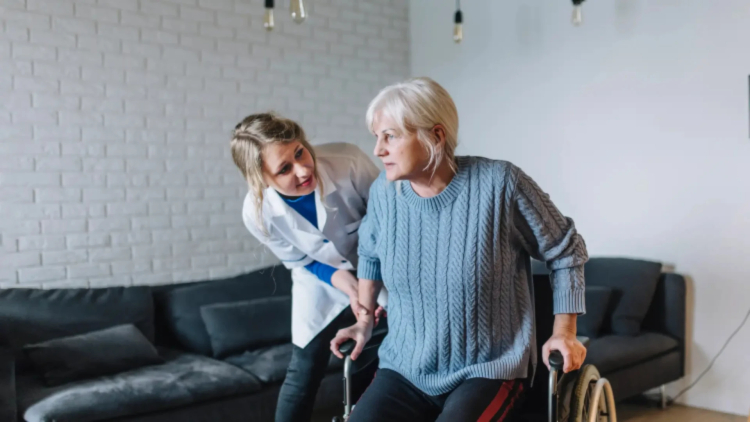
A home nurse with clinical expertise becomes similar to an extended family member for senior citizens. Many elderly people have heart problems, diabetes, high blood pressure, or joint discomfort, and repeated hospital stays are exhausting. In addition to checking their vital signs and assisting with safe walking, toileting, and daily hygiene, a home nurse helps them take their medications on schedule.
Post-Hospital Recovery Care

After a surgery, stroke, accident, or ICU stay, the first weeks at home are very critical. A home nurse plays a key role in this recovery phase by following the discharge summary carefully, managing all medicines, and taking care of stitches, drains, catheters, or feeding tubes if needed.
They help the patient progress from complete rest to light activity, as advised by the doctor or physiotherapist. Pain treatment, breathing exercises, limb exercises, and monitoring for bleeding or infection are all part of the nurse's routine. If the patient suddenly feels uncomfortable, dizzy, feverish, or has trouble breathing, the nurse immediately alerts the doctor. This attentive care often prevents readmission and helps the patient regain strength and confidence more rapidly.
Chronic & Long-Term Care

A home nurse provides consistent, organised support for patients with long-term or chronic diseases such as paralysis, kidney failure, advanced arthritis, cancer, or neurological disorders. Regular injections, tube feeding, catheter care, and rigorous daily medication schedules are just a few of the continuing therapies they oversee.
Skills and Qualities of a Professional Home Nurse
A professional home nurse combines strong clinical knowledge with a calm, caring presence. On the medical side, they are skilled in giving injections, managing IV lines, dressing wounds, checking vitals, handling catheters or tubes, and following hospital protocols correctly. They understand doctors’ prescriptions clearly and never compromise on hygiene or safety.
Compassion is just as important as clinical skill. A good home nurse treats every patient like their own family member, speaks politely, respects privacy, and maintains dignity while bathing, cleaning, or changing dressings. They show patience when the patient is in pain, confused, or irritable.
Emergency handling is another key quality. The nurse knows how to recognise serious warning signs, give basic first aid, use emergency numbers, and guide the family calmly until medical help arrives.
Clear communication ties everything together. A professional home nurse updates the family about the patient’s condition, explains what care is being given, notes any changes, and shares accurate reports with the doctor. This builds trust and keeps everyone on the same page.
Benefits of Hiring a Home Nurse
Employing a home nurse assists the patient and family in a number of ways, both practically and emotionally. Personalized treatment is the greatest benefit. In contrast to a bustling hospital ward, the nurse concentrates on one patient at a time, according to the doctor's plan but also making minor adjustments to the patient's daily routine, eating schedule, and sleeping posture to make them more comfortable.
A home nurse is also more affordable for many families than lengthy hospital stays or frequent ER visits. Focused nursing care is paid for without additional room fees or other hospital costs.
There is a big emotional benefits of choosing home nurse too. Being at home means the patient is surrounded by loved ones, familiar objects, and daily prayers or rituals. The nurse becomes part of this environment, offering reassurance, listening to concerns, and reducing the burden on family caregivers. This balance of clinical care and emotional comfort brings peace of mind to everyone.
Home Nurse vs Hospital Care
Families often compare home nursing with hospital care. Hospital care is vital during emergencies, operations, and unstable conditions. Once stable, routine medicines, wound care, and mobility support can usually be handled at home by a trained nurse under the doctor’s plan.
|
Aspect |
Home Nurse Care |
Hospital Care |
|
Setting |
Patient’s own home |
Hospital ward or room |
|
Attention |
Mostly one-to-one |
Shared between many patients |
|
Cost (long term) |
Often more affordable |
Becomes expensive over time |
|
Family presence |
Family stays nearby |
Restricted or fixed visiting hours |
|
Comfort |
Familiar, flexible routine |
Clinical, structured routine |
When Should You Hire a Home Nurse?
Hiring a home nurse can make life easier and safer for the entire family in certain obvious circumstances. A nurse at home can oversee bandages, medications, and rest following surgery or hospitalisation to ensure a comfortable recovery without having to rush back to work or the hospital.
A home nurse is also very helpful in palliative or end-of-life care, where the aim is comfort, pain control, and dignity at home. When you feel that family support alone is not enough to manage your health needs confidently, it is usually the right time to bring in a home nurse.
Why Choose Aayan Global for Home Nursing Services
Aayan Global connects families with trained, background-verified home nurses who can handle both medical and daily care needs with confidence. Each nurse is carefully screened for qualifications, experience, and behaviour so that you feel safe allowing them into your home.
The team at Aayan Global understands that every family’s situation is different. That is why they offer flexible plans - from a few hours a day to 12-hour or 24-hour duty - based on the patient’s condition and the family’s routine. Wherever possible, nurses are placed under regular medical supervision, following the treating doctor’s advice and updating reports on time.
More than anything, Aayan Global focuses on trust, consistency, and dignity in care. Their aim is not just to send a nurse, but to support the entire family through a difficult health phase.
Frequently Asked Questions (FAQ)
1. What qualifications should a home nurse have?
A home nurse should have GNM or BSc Nursing and be registered with the state nursing council. Before starting duty, families check certificates, ID proof and background details through the agency or from work references.
2. What is the difference between a home nurse and a caretaker?
A home nurse is clinically trained to give injections, dress wounds, monitor vitals and follow the doctor’s treatment plan. A caretaker mainly helps with bathing, feeding, cleaning, mobility and companionship in daily life at home.
3. What are the usual working hours of a home nurse?
Home nurses may work in 8, 12 or 24-hour shifts depending on the case. Some families need daytime support, others prefer night duty or full-time care. Agencies often offer flexible plans to match your routine.
4. Is home nursing really safe for the patient and family?
Home nursing is safe when you use verified nurses and a responsible agency. Keep emergency contacts handy, set clear duties and boundaries, and insist on medicine records. Family supervision and regular doctor review reduce risk.
5. How can I book a home nurse with Aayan Global?
To book a home nurse with Aayan Global, you can call, WhatsApp or fill an enquiry form. Share the patient’s age, illness, address and duty timing. The team explains charges, confirms the plan and assigns a nurse.
What's Your Reaction?