Post-Stroke Recovery at Home | Step-by-Step Guide
Complete post-stroke recovery guide with home rehab plan, exercises, diet tips & caregiver support. Help your loved one regain strength safely at home.
A stroke can change a family’s life in a few minutes. The hospital treats the emergency, but real healing begins later, during post-stroke recovery at home. This is the phase where daily care, gentle exercises, and emotional support slowly help the brain and body relearn lost skills. Recovery can feel confusing at first, but you are not alone in this journey.
A stroke may affect walking, speech, memory, mood, and even simple tasks like eating or bathing. Starting the right rehabilitation early gives the best chance for improvement, and research shows that structured home-based rehab can be as effective as hospital programs for many patients. With the right guidance from doctors, physiotherapists, nurses, and caregivers, home can become a safe and powerful healing space.
This guide explains, step by step, how families can organise stroke rehabilitation at home – from preparing the room and preventing bed sores to planning physiotherapy, food, medicines, and emotional support. Recovery is usually gradual, with good days and difficult days, but small consistent efforts add up. With patience, realistic expectations, and regular contact with your medical team, many stroke survivors slowly regain confidence, dignity, and a meaningful daily routine. Use this information as a supportive roadmap, and always follow the specific advice of your treating doctor.
Understanding Stroke: What Happens to the Brain?
A stroke happens when part of the brain suddenly stops getting enough blood and oxygen. Brain cells are very sensitive - if blood flow is blocked or a vessel bursts, those cells begin to get damaged within minutes. Because each area of the brain controls different functions, the effects of a stroke depend on which part is injured.
Types of stroke
· Ischemic stroke - This is the most common type. A blood clot blocks a blood vessel in the brain, stopping blood flow beyond that point.
· Hemorrhagic stroke - Here, a weak blood vessel bursts and bleeds into the brain. The bleeding increases pressure and damages nearby brain tissue.
When brain cells are damaged, signals between the brain and body do not pass correctly. This can lead to:
· Paralysis or weakness, often on one side of the body
· Speech and language problems - trouble speaking, understanding, reading, or writing
· Memory and thinking issues - confusion, poor concentration, slower processing
· Swallowing problems (dysphagia) - risk of choking or food going into the lungs
After the emergency is treated in the hospital, starting rehab early is very important. Studies show that early, structured rehabilitation improves movement, independence, and quality of life for stroke survivors.
The good news is that the brain has something called neuroplasticity. This means it can slowly “re-wire” itself. With regular practice, repetition, and guided exercises, healthier parts of the brain can learn to take over some lost functions. In simple terms, every safe movement, word practice, or memory exercise you repeat at home is like sending the brain a message - “this skill is important, please rebuild this pathway.” Over time, these repeated efforts support recovery.
First 30 Days After Stroke: Critical Recovery Phase
The first month after a stroke is often the most stressful for families. It is also a very important recovery window. During this time, the hospital team usually stabilises the patient and then prepares a discharge plan. Before you bring your loved one home, ask the doctor or neurologist clear questions about movement, food, medicines, and what to do in an emergency.
Most patients leave the hospital with a written recovery plan. This may include:
· Daily medicines and exact timings
· When to start stroke rehabilitation at home
· When to see the doctor again
· Red flag symptoms that need urgent hospital visit
Create a simple medication schedule at home. Use a notebook, printed chart, or mobile app. Note dose, time, and any special instructions like “after food” or “do not crush”. Keep all prescriptions and reports in one file so that any doctor or nurse visiting home can quickly understand the case.
In these first 30 days, preparing the house is as important as medical care. Check if the patient can be comfortably placed on the ground floor. Remove clutter, make pathways wide for a wheelchair, and fix a commode or raised toilet seat if needed. Arrange basic equipment such as a hospital bed, air or anti-bedsore mattress, and wheelchair according to the doctor or physiotherapist’s suggestion.
If possible, involve professional home nursing services early in this phase. A trained nurse can monitor vitals, guide safe positioning, and teach family members how to lift, transfer, and bathe the patient without causing injury. This early structure makes the rest of the recovery journey safer and more organised.
Setting Up the Home for Stroke Recovery
A well planned home setup reduces risk and makes daily care easier for both patient and family. Start with the room where your loved one will spend most of the time.
Room setup
· Prefer a ground floor room to avoid stairs.
· Keep the bed near the washroom if possible.
· Use an adjustable hospital bed so you can raise the head while feeding or doing exercises.
· Add an anti-bedsore or air mattress to reduce pressure on the skin.
· Fix side rails to prevent falls and to support turning in bed.
Keep only essential furniture in the room. Remove sharp-edged tables or unstable chairs. Place a sturdy chair with arms near the bed for sitting and transfers.
Safety measures in the house
· Remove loose rugs or mats that may cause slipping.
· Use grab bars near the toilet and shower area.
· Place non-slip mats in the bathroom.
· Ensure good lighting at night in passages and near the bathroom.
· Keep frequently used items like phone, water, call bell, and tissues within easy reach of the bed.
Mobility aids
Depending on the stroke, the rehab team may suggest:
· Wheelchair for movement inside and outside the house
· Walker or walking frame when standing and walking practice begins
· Transfer chair or transfer board for safe shifting from bed to chair or commode
You can discuss buying or renting these items. Renting makes sense in the early months when needs may change.
Suggested equipment table
|
Equipment |
Purpose |
Essential/Optional |
|
Hospital bed |
Safe positioning, adjustable backrest |
Essential |
|
Anti-bedsore mattress |
Prevents pressure sores |
Essential |
|
Side rails |
Prevents falls, supports turning |
Essential |
|
Wheelchair |
Movement inside/outside home |
Essential |
|
Walker |
Support for walking practice |
Optional (as advised) |
|
Commode chair |
Safe toileting near bed |
Optional |
|
Grab bars |
Bathroom safety |
Essential |
Stroke Physiotherapy at Home
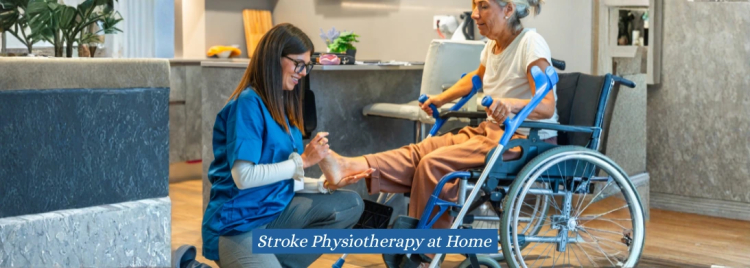
Physiotherapy services is one of the most important parts of post-stroke recovery at home. It keeps joints flexible, prevents stiffness, and slowly helps the patient regain strength, balance, and confidence in daily movements. Early and regular therapy also lowers the risk of complications like contractures, shoulder pain, and blood clots.
Why physiotherapy is critical
After a stroke, muscles on the weak side may become tight or very loose. Without guided movement, joints can become fixed, making later recovery harder. Physiotherapy aims to:
· Maintain and improve range of motion
· Build strength in weak muscles
· Improve sitting, standing, and walking balance
· Train safe transfers from bed to chair or toilet
· Support the brain’s neuroplasticity by repeating meaningful movements
Types of exercises at home
Always follow exercises prescribed by your physiotherapist. In general, they may include:
· Passive exercises - Therapist or caregiver gently moves the patient’s arms and legs when the patient cannot move them alone.
· Active-assisted exercises - Patient tries to move while therapist or caregiver supports and guides the limb.
· Active exercises - When strength improves, patient moves the limb independently.
· Hand grip therapy - Squeezing a soft ball, towel, or therapy putty to improve hand function.
· Leg lifting and bridging movements - To strengthen hips and thighs.
· Balance training - Sitting without support, then sitting with trunk turns, then standing with support, progressing slowly.
Frequency and structure
Ideally, stroke physiotherapy at home should be done daily, even if sessions are short. Many families choose 30 to 60 minute sessions with a professional physiotherapist several times a week, plus simple exercises that caregivers help with on other days.
Ask your therapist to:
· Demonstrate safe positions and transfers
· Write down or record exercises on video
· Review progress every few weeks and update the plan
Professional home-based physiotherapy services are available in most Indian cities. They save travel time, reduce fatigue, and allow the therapist to work in the patient’s actual living environment.
Speech & Swallowing Therapy

Stroke may affect the parts of the brain that control speech and swallowing. This can be very frustrating for the patient and worrying for the family, but many people improve with time and practice.
Common issues
· Slurred speech or unclear words
· Aphasia - Trouble finding words, understanding language, or forming sentences
· Dysphagia - Difficulty swallowing food, water, or tablets
Speech therapy at home
A speech and language therapist (SLT) can assess the problem and design simple daily exercises, such as:
· Repeating words, phrases, or sentences
· Naming objects around the room
· Reading short lines aloud
· Practising breathing and voice control
Family members can support by speaking slowly, using short sentences, asking one question at a time, and giving the patient extra time to respond. Avoid correcting every word - focus on understanding the message.
Swallowing safety
For swallowing problems, the therapist may suggest:
· Changing food texture to soft or mashed diet
· Thickening liquids if there is a risk of choking
· Upright sitting during and at least 30 minutes after meals
· Small spoons and slow feeding
If you notice coughing, gurgling voice, or watery eyes while eating or drinking, inform your doctor or SLT immediately as food may be entering the airway. Never try new food textures without professional advice. Early speech and swallowing therapy reduces fear and makes mealtimes safer and more comfortable.
Nutrition Plan for Stroke Recovery

Food is medicine during stroke recovery. The right diet supports healing, maintains energy, and helps control risk factors like blood pressure, cholesterol, and diabetes. A dietitian can personalise the plan based on weight, other illnesses, and swallowing ability.
Main diet goals
· Improve strength and energy
· Maintain healthy weight
· Control blood pressure and cholesterol
· Support brain and muscle repair
Recommended foods
Try to build meals around:
· High protein sources - Dal, sambar, curd, paneer, eggs, fish, lean chicken, soy, sprouts
· Fruits and vegetables - At least 4 to 5 servings a day in cooked, boiled, or soft form
· Whole grains - Brown rice, millets, whole wheat, oats, broken wheat
· Healthy fats - Limited use of oils like mustard, groundnut, rice bran, or olive oil
Foods to limit or avoid
· Deep fried items and fast food
· Packaged snacks high in salt
· Processed meats
· Sugary drinks and sweets in large amounts
· Extra table salt on top of cooked food
If the patient has swallowing issues, shift to soft, mashed, or blended meals as advised by the therapist. Offer small, frequent meals instead of large plates. Ensure enough fluids through water, soups, and herbal teas, unless the doctor has restricted liquids. A simple, home cooked Indian diet that is low in salt and oil is usually the best long term choice.
Preventing Common Post-Stroke Complications
Along with rehab, preventing complications is a major part of stroke patient care at home. Many problems arise due to immobility, weakness, or difficulty communicating discomfort. With simple routines, families can reduce these risks.
A. Bed sores (pressure ulcers)
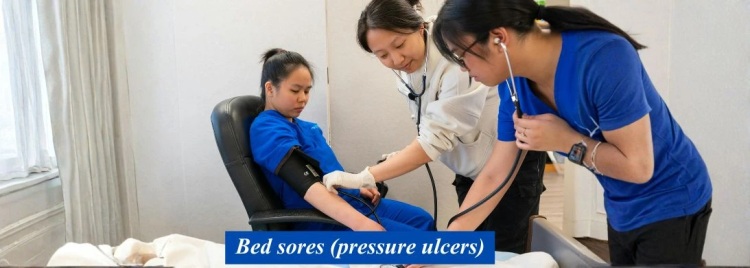
When a person lies in one position for too long, pressure cuts off blood flow to the skin. This can cause wounds that are painful and slow to heal. To prevent this:
· Change position at least every 2 hours while in bed.
· Use an air or anti-bedsore mattress.
· Keep skin clean and dry, especially in folds and under medical devices.
· Check bony areas like heels, hips, and tailbone daily for redness.
B. Blood clots (Deep Vein Thrombosis - DVT)
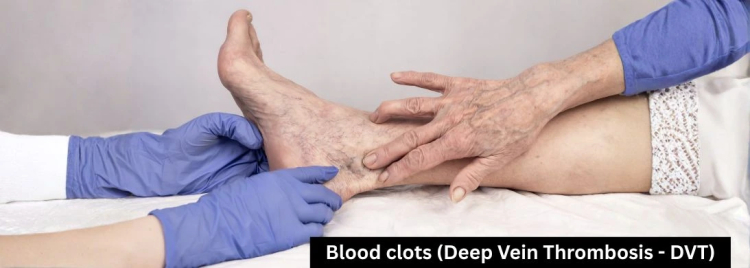
Immobility after stroke increases the risk of clots in the legs. These can be dangerous if they travel to the lungs. Help reduce risk by:
· Encouraging regular leg movements in bed
· Doing ankle pumps and gentle knee bends as advised
· Using compression stockings if prescribed
· Starting supported sitting and standing as early as the doctor allows
C. Infections

Common infections include urinary tract infections, chest infections, and wound infections. To prevent these:
· Maintain hand hygiene for everyone who provides care
· Keep the mouth clean with regular brushing and mouthwash
· Follow proper catheter care if one is used
· Encourage deep breathing and supported coughing exercises
D. Depression and emotional changes
Depression, anxiety, and emotional ups and downs are very frequent after stroke but often missed. Signs include loss of interest, sleep changes, or frequent crying.
Support the patient by:
· Listening without rushing
· Keeping a simple daily routine with small activities
· Involving friends or family in short visits
· Seeking counselling or psychiatric help when needed
Early identification and action on complications can prevent hospital readmissions and improve quality of life.
Medication Management & Monitoring
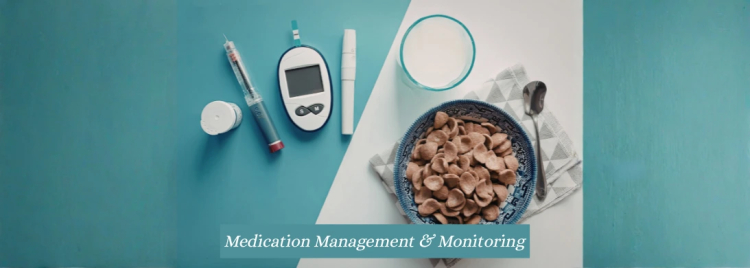
Most stroke survivors need long term medicines to prevent another stroke and manage related conditions. Typical prescriptions may include:
· Blood thinners or antiplatelet drugs to prevent clots
· Blood pressure medicines
· Cholesterol-lowering medicines
· Drugs for diabetes, seizures, or mood if needed
Never change dose or stop medicines without the doctor’s advice.
Simple management tips
· Use a pill organiser with separate boxes for morning, afternoon, and night.
· Prepare a medication chart with name, dose, time, and special notes.
· Set alarms on a phone for elderly caregivers or busy families.
· Keep extra stock of critical medicines so you never run out.
What to monitor at home
Your doctor may ask you to regularly check:
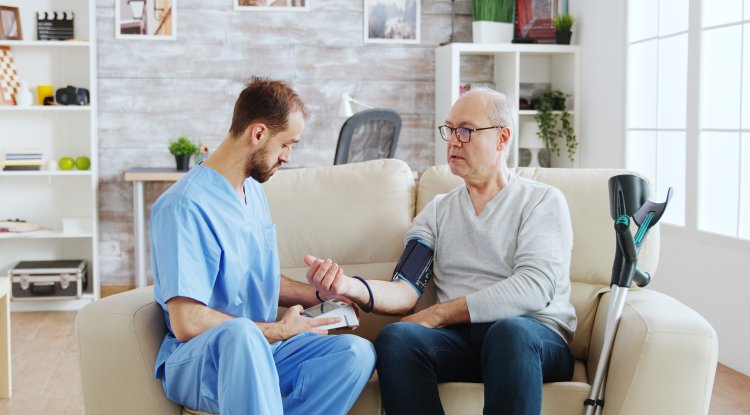
· Blood pressure with a home BP monitor
· Blood sugar if the patient is diabetic
· Weight, ankle swelling, or unusual bruising
Maintain a small notebook where you record these values with dates. Take it to every follow up. If you notice very high BP readings, severe headache, sudden weakness, chest pain, or breathing difficulty, contact emergency services or rush to the hospital.
Good medication discipline and basic monitoring are key to preventing a second stroke and keeping your loved one stable during home-based rehabilitation.
Emotional & Psychological Support
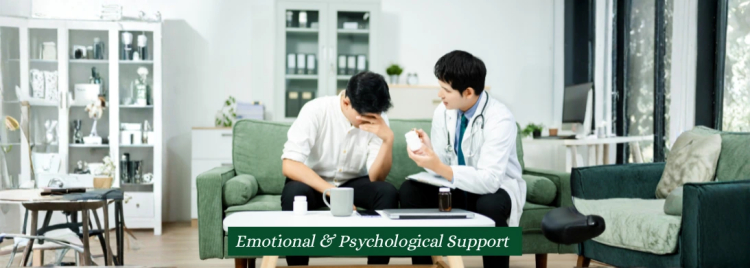
A stroke affects not only the body but also the mind. Many survivors feel scared, angry, or hopeless, especially when they cannot move or speak like before. Families too may feel tired, guilty, or confused about the future. All these feelings are normal and deserve attention.
Common emotional changes after stroke
· Mood swings or sudden crying
· Irritability and frustration
· Anxiety about another stroke
· Loss of interest in usual activities
· Symptoms of depression
How families can support
· Talk to the patient with respect, not like a child.
· Encourage them to share fears and frustrations.
· Celebrate small improvements like sitting longer, lifting a hand, or saying a new word.
· Keep a fixed routine for waking, meals, and exercises so the day feels predictable.
· Involve them in simple decisions like choosing clothes or music.
If low mood, sleep loss, or withdrawal continue for more than a few weeks, discuss this with the doctor. They may suggest counselling, support groups, or medicines.
Caregivers also need breaks. Sharing duties among family members, using short term paid help, or joining online caregiver support groups can make a big difference. A calmer, supported caregiver can provide better care and keep the home environment positive and hopeful.
Role of Home Nursing for Stroke Patients
Not every family can manage complex stroke care alone. Home nursing for stroke patients can bridge the gap between hospital-level care and daily home support.
When home nursing is especially helpful
· Severe paralysis or very limited movement
· Tube feeding (Ryles tube or PEG)
· Catheter care for urine problems
· Tracheostomy care or oxygen support
· Wound care, bed sores, or post-surgical stitches
Key benefits of professional home nursing
· Regular monitoring of vitals like BP, pulse, temperature, and oxygen
· Accurate medication administration and injection support
· Skilled positioning, turning, and hygiene care
· Support for daily rehab activities as guided by the physiotherapist
· Fewer emergency visits and hospital admissions when problems are detected early
A trained nurse also educates the family on safe transfers, feeding, and warning signs, which builds confidence. You can choose day shifts, night shifts, or 24 hour live-in nursing depending on need and budget.
If caring for your loved one feels overwhelming, you do not have to carry it alone. A trusted home nursing team can share the medical load while you focus on emotional support and quality time. Speak to a reliable local home nursing agency or your hospital’s medical social worker to arrange an assessment and create a customised nursing care plan at home.
Recovery Timeline: What to Expect
Every stroke is different, so no two recovery journeys are exactly the same. Age, size and location of the brain injury, other illnesses, and how early rehab started all influence progress. However, a general pattern can help families set realistic expectations.
Weeks 1 to 4
· This is often the most active recovery phase.
· Swelling in the brain slowly reduces.
· Many patients show noticeable improvements in alertness, sitting balance, and basic movements with proper rehab.
· Fatigue is common, so rest between exercises is important.
Months 1 to 3
· Focus shifts to strength building, walking practice, and daily activities like dressing, toileting, and eating.
· Speech and memory may start to show gradual gains.
· Emotional ups and downs are frequent, and family encouragement is crucial.
6 months and beyond
· Progress may feel slower but can continue for years, especially in tasks that are practised daily.
· Some patients return to near independent living, while others may always need support.
· Ongoing exercises, healthy lifestyle, and regular follow up help maintain and extend gains.
Remember, even small improvements matter. Instead of comparing with others, track your loved one’s own milestones over weeks and months.
Cost of Stroke Care at Home
Planning for costs early helps families avoid sudden financial stress. Actual expenses vary by city, type of stroke, and medical needs, but the following rough ranges can guide budgeting in India.
· Home nursing charges - For 24 hour nursing care at home, many families spend between ₹18,000 and ₹70,000 per month depending on city, nurse qualification, and complexity of care.
· Physiotherapy at home - Stroke physiotherapy sessions at home may range from ₹500 to ₹1,500 per visit, or ₹10,000 to ₹30,000 per month for regular programs.
· Medical equipment rental - Hospital beds, air mattresses, wheelchairs, and commodes can often be rented. Depending on quality and city, families may spend ₹2,000 to ₹8,000 per month on equipment.
· Medicines and disposables - Monthly medicine costs vary widely but can often fall in the ₹2,000 to ₹10,000 range for long term stroke care.
Whenever possible, compare 2 to 3 service providers, ask what is included in the price, and check reviews or hospital recommendations before finalising.
Complete Stroke Home Care Checklist
Use this simple checklist to see if your home plan for post-stroke recovery at home is ready:
· ✔ Doctor follow up scheduled with date and hospital contact numbers
· ✔ Emergency plan ready - nearest hospital, ambulance number, list of current medicines
· ✔ Medication chart prepared and visible near the bed
· ✔ Physiotherapy plan started, with at-home exercise routine written or recorded
· ✔ Room prepared on ground floor with hospital bed or firm bed and side rails
· ✔ Anti-bedsore mattress arranged and turning schedule explained to caregivers
· ✔ Grab bars and non-slip mats installed in bathroom and near toilet
· ✔ Wheelchair or walker available as advised by rehab team
· ✔ Speech or swallowing therapy consulted if there are communication or choking issues
· ✔ Nutrition plan discussed with doctor or dietitian, with grocery list updated
· ✔ Home nursing services explored, even if only for a trial period or part-time support
Review this checklist every few weeks. As the patient improves, some items may no longer be needed while new rehab goals can be added.
FAQs – Post-Stroke Recovery at Home
1. How long does post-stroke recovery take?
Recovery time differs for every person. Some people show good improvement in the first 3 to 6 months, while others continue to gain function over several years with regular rehab, healthy lifestyle, and good medical follow up.
2. Can stroke patients fully recover at home?
Many patients make strong recoveries with a mix of hospital treatment and stroke rehabilitation at home. The key is early rehab, safe home setup, regular physiotherapy, and close contact with the doctor. Severe strokes may leave some lasting difficulties, but home rehab can still improve independence and quality of life.
3. How often should physiotherapy be done after stroke?
Most experts recommend daily exercises, guided by a physiotherapist. Many families choose 3 to 5 professional sessions per week plus caregiver-assisted exercises on other days. The therapist will adjust frequency based on fatigue and progress.
4. What foods help in stroke recovery?
Balanced meals with enough protein, fruits, vegetables, whole grains, and healthy fats support healing. Limiting salt, sugar, and fried foods helps control blood pressure and cholesterol, which is important to prevent another stroke.
5. Is home nursing necessary after stroke?
Home nursing is very helpful when the patient has severe weakness, needs tubes or catheters, or has complex medical needs. For milder cases, families may manage with periodic nursing visits and regular doctor follow up. Your neurologist can advise based on the stroke severity.
6. How can we prevent a second stroke?
Taking medicines regularly, controlling BP, sugar, and cholesterol, not smoking, eating a heart healthy diet, staying active within limits, and attending follow ups are all important to reduce risk of another stroke.
7. Can elderly stroke patients walk again?
Many older adults do improve their walking with tailored physiotherapy, walking aids, and patience. Even if full walking is not possible, rehab often improves transfers, sitting balance, and daily comfort.
Conclusion
Life after a stroke can feel like starting from zero, but it is not the end of the story. With the right plan, post-stroke recovery at home can be safe, structured, and full of small victories. Early rehab, a supportive home setup, proper nutrition, and careful medication management all work together to protect the brain and body.
Progress may be slow, and some days will be harder than others, yet every extra movement, every clear word, and every independent step is a sign that the brain is still learning and healing. Families play a powerful role by offering patience, respect, and encouragement.
At the same time, you do not have to manage everything alone. Professional home nursing for stroke patients, physiotherapy, and counselling can share the load and guide you with clinical experience.
If your loved one has recently returned from the hospital after a stroke, this is the right time to build a clear home care plan. Speak to your doctor, connect with reliable home care providers, and start a step-by-step rehabilitation routine that supports recovery and dignity at home
What's Your Reaction?