Daily Living Assistance for Seniors – What Caregivers Really Do
Learn how caregivers support seniors with daily living assistance, including personal care, mobility help, meals, and safety at home.

Introduction: Understanding Daily Living Assistance for Seniors
Daily living assistance for seniors is about much more than helping with a few tasks at home. It means having a trusted caregiver by their side to support bathing, dressing, meals, medicines, safety, and simple daily routines, while still respecting their independence and dignity. As parents and grandparents grow older, even small activities can feel tiring, confusing, or unsafe when done alone.
For many families, professional daily living assistance for seniors and reliable elderly caregiver services bring peace of mind. A trained caregiver can quietly step in where support is needed and gently step back where the senior is still capable. This balance helps prevent falls, hospital visits, and burnout for family members. Most importantly, the right support allows seniors to continue living in their own homes, stay connected to their habits and memories, and feel cared for rather than dependent.
What Are Activities of Daily Living (ADLs) & IADLs?
When families first hear the term “activities of daily living for seniors”, it can sound very technical. In reality, it simply describes the everyday tasks a person needs to manage to live safely and comfortably at home. Caregivers in Bangalore use two groups of activities to understand how much support an elderly person really needs - ADLs and IADLs.
Basic ADLs (Activities of Daily Living)
These are the most essential self care tasks: bathing, grooming, dressing, eating, using the toilet, and moving safely from bed to chair or around the house. If a senior struggles with even one or two of these, daily living assistance becomes very important because it directly affects health, safety, and dignity.
IADLs (Instrumental Activities of Daily Living)
These are slightly more complex activities such as cooking simple meals, cleaning the house, doing laundry, managing money, taking medicines on time, shopping for groceries, or arranging transport. Many seniors can manage a few IADLs but need help with others.
By checking both ADLs and IADLs, families and professionals can understand whether a senior needs just a few hours of support or regular full day help. This becomes the starting point for planning the right type of caregiver services at home.
Personal Care Assistance: Supporting Daily Hygiene & Comfort
Personal care is at the heart of daily living assistance for seniors: For many aging parents, the hardest part is not medical treatment but daily hygiene tasks that become tiring, slow, or embarrassing to manage alone. A trained caregiver steps in gently to support these needs while respecting privacy, culture, and personal habits.
Caregivers start with safe bathing and grooming: They help seniors with bucket bath or shower, hair wash, nail care, shaving, and oral hygiene, always checking water temperature, bathroom safety, and comfort. For those with limited mobility, sponge baths or bed baths are given with quiet respect and clear communication.
Dressing support is another important area: Caregivers assist with choosing suitable clothes, changing garments, and managing buttons, zips, or hooks, especially for seniors with joint pain, weakness, or Parkinson’s symptoms.
Toileting and continence care are handled with sensitivity: Caregivers guide seniors to the washroom, help them sit and stand safely, and manage adult diapers or bedpans when required. They also notice signs of discomfort, rashes, or urinary issues and inform the family or nurse early.
With steady, respectful personal care assistance and elderly caregiver services, seniors feel clean, fresh, and dignified each day, and families feel secure knowing their loved one is truly being cared for, not just “managed.”
Mobility & Safety Support Inside the Home
As seniors grow older, walking around the house can quietly become risky. Furniture edges, wet floors, dim lighting, and loose rugs can all increase the chance of slips and falls. Daily living assistance for seniors includes focused senior mobility assistance so they can move around safely and confidently in their own home.
Caregivers first observe how the senior walks, turns, and uses support. Based on this, they offer:
· Fall prevention steps like decluttering pathways, supporting in the bathroom, and reminding the senior to move slowly.
· Walking assistance using a walker, stick, or simply a steady hand while moving from room to room.
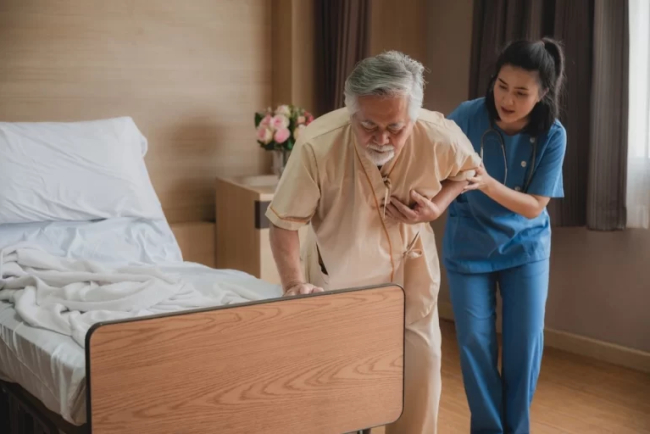
· Safe transfers from bed to chair, wheelchair, or toilet, guiding the senior to sit, stand, and turn without sudden movements.
Good caregivers also watch for early signs of dizziness, weakness, or imbalance and inform the family quickly. With the right safety support at home, many hospital visits due to falls can be reduced or avoided.
Meal Preparation & Nutritional Support
Food plays a big role in the health, mood, and energy of seniors. Many older adults start skipping meals or eating only snacks instead of proper food. Daily living assistance for seniors often includes help with meal preparation and nutritional support so they can eat on time and stay healthy.
Families often ask, “Do caregivers cook for seniors?” In most home care setups, the answer is yes. Caregivers can plan simple, home style meals, cook or reheat food, and serve it calmly. For seniors who need help with feeding, caregivers offer gentle assistance, checking swallowing comfort and posture.
Caregivers also follow special dietary needs such as diabetes, BP, low salt, soft diet, or high protein as advised by the doctor. They watch water intake and appetite changes, and notice any difficulty chewing or swallowing. With regular, balanced meals, many seniors feel more stable, energetic, and emotionally settled during the day.
Medication Reminders & Health Monitoring
For many seniors, managing tablets at different times of the day is confusing and stressful. As part of daily living assistance for seniors, home care services provide structured medication assistance for elderly loved ones so doses are not skipped, doubled, or taken late. They follow the doctor's or family's schedule and gently remind the senior when it is time.
Caregivers also support simple health monitoring at home. With basic devices provided by the family, they can regularly check:
· Blood pressure (BP)
· Blood sugar levels
· Pulse and temperature
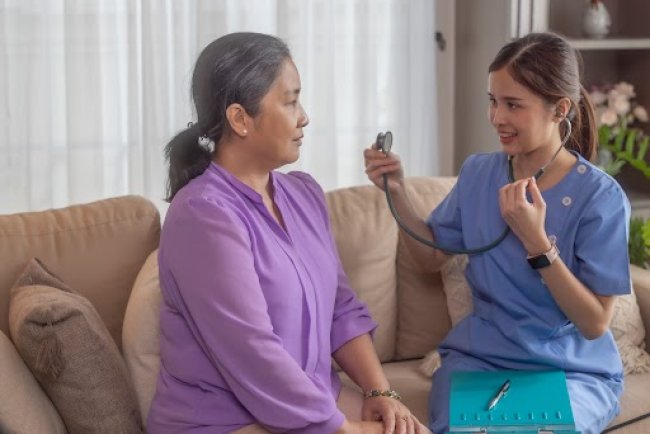
Any unusual reading, side effect, or complaint, like chest pain, giddiness, or breathlessness, is noted and quickly shared with the family. When needed, caregivers coordinate with nurses and doctors by sharing observations, reports, or changes in routine. This steady watch helps catch problems early, reduces emergency visits, and keeps everyone informed about the senior’s day-to-day health.
Household Help & Daily Routine Management
Daily living assistance for seniors also includes the quiet, background work that keeps the home running smoothly. Many elderly parents can manage basic self care but feel tired or overwhelmed by regular housework. Here, caregivers step in with light housekeeping, simple organisation, and routine-based support that makes each day easier.
Typical help includes sweeping and mopping immediate areas, making the bed, changing linens when needed, and keeping the washroom clean and safe. Caregivers can also manage daily dishes, basic kitchen cleanup, and putting things back in their place so the senior does not have to bend, lift, or climb.
Laundry support, folding clothes, and arranging cupboards are added where required. By following a steady daily routine, elderly caregiver services reduce clutter, confusion, and stress, helping seniors feel relaxed and in control inside their own home.
Emotional Support, Companionship & Mental Well-Being
Growing older can be lonely, especially when friends move away, children are busy, or a spouse is no longer around. Daily living assistance for seniors is not only about physical tasks, it also includes quiet emotional support. Good caregivers know that a few minutes of kind conversation can be as important as any tablet or exercise.
Companionship care for seniors usually involves simple, everyday activities: talking about family memories, reading the newspaper together, watching a favourite TV show, or going for a short walk if health permits. Caregivers listen to worries, gently encourage hobbies like music, gardening, or prayer, and help seniors stay mentally active with small games, puzzles, or discussions.
This type of support reduces loneliness, anxiety, and the feeling of being a burden. Regular interaction also helps caregivers notice early signs of confusion, sadness, or memory loss so that families can seek timely medical help. When seniors feel heard, respected, and emotionally safe, they cooperate better with daily care and enjoy a better quality of life at home.
Assistance with Appointments, Errands & Outdoor Activities
Caregivers do much more than help inside the house. Daily living assistance for seniors often includes safe support whenever an elder needs to step out. For many families, this means they no longer have to take leave from work every time there is a hospital review, banking work, or a simple visit to the temple.
Caregivers can accompany seniors to doctor visits, help them carry reports, remember instructions, and communicate these clearly to the family. They also assist with grocery shopping, pharmacy visits, and small bill payments, always keeping comfort and safety in mind.
Whenever possible, caregivers encourage short social outings such as a walk in the park, a visit to a nearby relative, or attending a religious place. This keeps routine life active, reduces isolation, and helps seniors feel connected to the outside world.
Specialized Daily Living Assistance for Different Senior Needs
As seniors age, their care needs can become more complex. Some may only need gentle support with cooking and medicines, while others require full time help. Specialized daily living assistance for seniors focuses on each person’s health condition, energy level, and doctor’s guidance instead of using a one style for all approach.
For bedridden seniors, elderly care for bedridden patients includes complete support with turning in bed, sponge baths, diaper changes, feeding, and preventing bedsores. Caregivers also keep the bed area clean, monitor comfort, and call nurses or family if they notice breathing issues, pain, or high fever.
For seniors with dementia or Alzheimer’s, daily routines must be calm and predictable. Caregivers give simple instructions, repeat patiently, and gently guide them through bathing, dressing, meals, and medicines while keeping them safe from wandering or confusion.
After surgery or during chronic illnesses like stroke, heart problems, or arthritis, caregivers support physiotherapy exercises, safe walking, and correct posture. With this type of focused help at home, many seniors can recover better, avoid repeated hospital stays, and maintain as much independence as possible.
How Professional Caregivers Are Trained & Supervised
When you invite a caregiver into your home, trust matters more than anything else. Good agencies that provide daily living assistance for seniors do not send random helpers. They follow a clear process of training, background checks, and supervision so families can feel safe.
Caregivers are usually trained in basic nursing support, senior mobility assistance, personal hygiene, safe lifting, and simple emergency steps. They also learn how to speak gently, respect privacy, and handle confused or anxious seniors with patience and respect.
Before starting duty, agencies verify ID proofs and references, and often complete police verification. Once the caregiver is placed, supervisors or nurses stay in touch through phone calls and periodic home visits. This steady monitoring helps elderly caregiver services remain consistent, safe, and aligned with the care plan agreed by the family and doctor.
Choosing the Right Daily Living Assistance Service
Choosing the right agency for daily living assistance for seniors can feel confusing. A better starting point is to think about how to choose top home nursing services in Bangalore for your parent’s real needs, not only by price.
First, check if the company does background checks, caregiver training, and regular supervision. Ask what the caregiver will do in a typical day, how emergencies are handled, and how quickly they send a replacement if someone is on leave.
Many families also think about male vs female caregivers. This depends on the senior’s comfort, privacy needs during bathing or toileting, and family culture.
Finally, decide between the day shift and 24-hour care. If the senior is mostly stable, a few fixed hours may be enough. For bedridden or high risk seniors, round the clock home support is usually safer.
Final Checklist: What Caregivers Really Do for Seniors
Personal care: Help with bathing, grooming, dressing, toileting, and safe movement so seniors feel clean, steady, and respected.
Safety and health: Prevent falls, support walking and transfers, give medication reminders, check basic vitals, and inform family quickly if something seems wrong.
Home and routine: Cook simple meals, do light cleaning and laundry, and follow a calm daily routine so the house feels organised.
Emotional and social support: Conversation, companionship care for seniors, short outings, prayers, and mind games that reduce loneliness.
Family relief: Children can focus on work while daily living assistance for seniors is handled by a trained, trustworthy caregiver at home.
What's Your Reaction?