Palliative Care at Home vs Hospital
Palliative Care at Home vs Hospital: Compare comfort, costs, support, and medical care options. Learn which setting best suits your loved one’s needs.

Introduction
When families search for palliative care at home Bangalore, they are usually trying to answer one hard question - should care happen at home or in the hospital? This is not just a medical choice. It is also about comfort, dignity, family presence, symptom control, and what the patient wants most in a difficult phase of life.
Palliative care is meant to improve the quality of life for people living with serious illness. It can help with pain, breathing trouble, nausea, weakness, anxiety, stress, and emotional strain. It also supports caregivers and families, not just the patient. Importantly, it can start early and can be given along with treatment aimed at cure or control.
In Bangalore, families can now access both home-based and hospital-linked palliative care through hospices, hospitals, and home-care teams. That makes the choice easier in one way, but more confusing in another. This guide compares both options clearly so families can decide with more confidence.
What Is Palliative Care?
Palliative care is specialised support for people with serious or life-limiting illness. Its main goal is not to cure. Its goal is comfort, symptom relief, dignity, and a better quality of life for the patient and the family. It looks at the whole person - physical, emotional, social, and spiritual needs.
It is different from curative care because it does not focus only on treating the disease. Instead, it focuses on reducing suffering and helping the patient live as comfortably and meaningfully as possible. This is why people also call it comfort care or, in some situations, end-of-life care, though palliative care can begin much earlier than the final stage of illness.
What Is Palliative Care at Home?
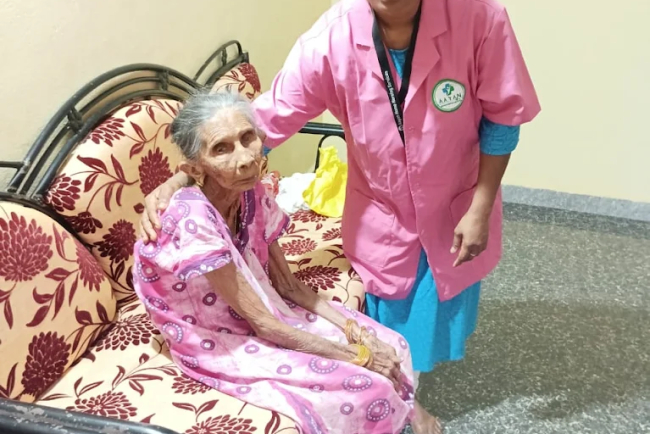
Palliative care at home means the patient receives comfort-focused care in familiar surroundings rather than staying in a hospital ward. Depending on the case, this may include doctor visits, nurse visits, medication management, pain control, wound care, symptom monitoring, oxygen support, emotional support, caregiver guidance, and help with daily comfort needs.
The biggest strength of home care is that it keeps the patient close to family, routine, and familiar things. For many people, that reduces fear and emotional stress. Local provider pages in Bangalore also emphasise that home-based palliative support can include counselling, spiritual support, and practical coaching for the family.
This is why palliative care at home Bangalore is often preferred when symptoms are stable enough to manage through planned visits and when the family wants a quieter, more personal setting. It can feel less clinical and more dignified, especially for people who do not want repeated hospital travel.
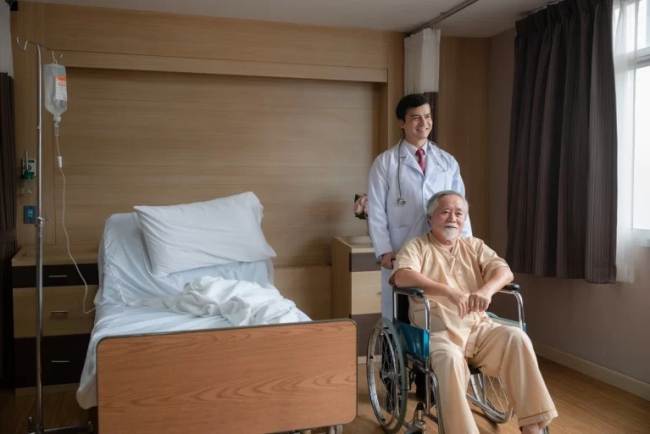
What Is Hospital-Based Palliative Care?
Palliative care that is hospital-based is given within a hospital or palliative unit. In addition to other treatments, it can be provided as day care, inpatient care, outpatient care, or specialist consultation. Patients can benefit from quicker medical examinations, more intimate monitoring, access to cutting-edge procedures, and coordinated care from multiple doctors in this setting.
This option is often more suitable when symptoms are severe, unstable, or changing quickly. For example, uncontrolled pain, complex breathlessness, sudden decline, or the need for advanced monitoring may make hospital care the safer option for some patients. Hospital-linked palliative teams can also help stabilise the patient first and then transition care back home later.
In Bangalore, some hospitals provide inpatient, outpatient, day-care, tele-consultation, and even extended home-care services under physician supervision. That makes hospital palliative care more flexible than many families expect.
Palliative Care at Home vs Hospital: Key Differences
Quick answer: Home care is usually better for comfort, family closeness, and personalised daily support. Hospital care is usually better for unstable symptoms, advanced medical needs, and continuous observation.
|
Factor |
Palliative Care at Home |
Hospital Palliative Care |
|
Environment |
Familiar and personal |
Clinical and structured |
|
Family involvement |
High |
More limited |
|
Monitoring |
Scheduled visits |
Continuous or frequent |
|
Medical equipment |
Limited at home |
More advanced |
|
Personalization |
Very high |
Moderate to high |
|
Travel burden |
Lower |
Higher |
|
Emergency response |
Slower unless planned |
Faster |
|
Daily routine |
Easier to maintain |
Often disrupted |
This comparison matters because families often assume one setting is always better. It is not that simple. The right choice depends on symptom severity, caregiver availability, home setup, finances, access to doctors, and the patient’s own wishes.
Benefits of Palliative Care at Home
Comfort of familiar surroundings
Home feels safer and calmer for many patients. Personal space, family faces, familiar smells, prayer routines, and normal daily patterns can reduce distress. Provider pages in Bangalore repeatedly highlight comfort and emotional ease as key reasons families choose home care.
Strong family involvement
Family members can stay close, observe changes, and take part in care planning. This can be deeply reassuring for both the patient and the caregiver. WHO and NCI both emphasise that palliative care supports families and caregivers, not just patients.
Lower overall care burden for many families
In certain situations, home-based treatment may lower recurrent hospital visits, room fees, and needless admissions, albeit specific costs vary. Early palliative care can lower needless hospital stays and health service utilisation, according to the WHO.
Personalized attention
Home care plans are often built around the person’s symptoms, preferences, food habits, sleep patterns, and family routine. That makes palliative care at home in Bangalore especially valuable for families who want a more tailored and less rushed care experience.
Better daily quality of life
For stable patients, home palliative care can make daily life more peaceful. It may reduce the stress of transport, waiting rooms, and long stays away from loved ones.
Limitations of Home-Based Palliative Care
Home-based patient care also has limits. Not every symptom can be managed safely at home. Some patients need constant observation, rapid medication changes, emergency procedures, or advanced equipment that may not be available in a home setting.
Fatigue among caregivers is another issue. Families may experience emotional exhaustion, particularly if the patient becomes less mobile, has unexpected respiratory difficulties, or requires frequent assistance at night. The home team is not always physically present, even on professional visits.
Therefore, home palliative care may be less appropriate when the patient's condition is extremely unstable, their symptoms are severe, or their family is unable to safely provide daily care.
Benefits of Hospital-Based Palliative Care
Hospital palliative care offers quicker access to doctors, pain specialists, advanced procedures, testing, and close monitoring. That can be very important for severe pain, difficult breathlessness, sudden decline, or complications that need rapid medical response.
A more robust multidisciplinary setup is also made possible by it. Physicians, nurses, therapists, counsellors, pharmacists, and other specialists who collaborate on symptom management and care planning may make up the team, depending on the facility.
Hospital-based palliative care can provide structure, monitoring, and quicker escalation when necessary for families who feel unprepared to provide care at home.
Limitations of Hospital Palliative Care
Hospitals can feel impersonal. Patients may miss home, familiar food, normal sleep, and the comfort of being around loved ones for long stretches. The setting can also feel stressful for families who want more private time and a quieter atmosphere. These are not small issues in palliative care, where emotional comfort matters a lot.
Hospital care may also mean more travel, more coordination, and higher overall expenses for some families, especially when long stays are involved. Public pages often do not show transparent costs, which is itself a content gap that families care about.
When to Choose Palliative Care at Home
Choose home care when:
· The patient clearly wants to stay at home.
· Symptoms are stable enough for planned visits.
· The family can support daily care needs.
· The goal is comfort, dignity, and quality time with loved ones.
· Travel to the hospital is becoming too exhausting.
For many families, palliative care at home Bangalore works best when the patient needs ongoing comfort care, but not constant hospital-level monitoring.
When Hospital Care Is Better
Hospital care is often better when:
· Pain or breathlessness is not under control.
· Symptoms are changing fast.
· The patient needs continuous observation.
· advanced procedures or urgent interventions may be required
· The home setup or caregiver support is not enough.
A practical middle path is often to stabilise the patient in hospital first and then shift back to home care once symptoms are more manageable.
Hybrid Approach: Best of Both Worlds
A hybrid model often works well in real life. A patient may start in the hospital during a difficult phase, receive symptom stabilisation, and then continue long-term support through home visits, tele-consultation, or supervised community care. Bangalore hospital pages already show this bridge model through extended home care and physician-led follow-up.
This approach combines medical safety with emotional comfort. It is especially useful for families who want home-based care, but also want a hospital backup plan if symptoms worsen.
How to Choose the Right Option
Use this simple checklist:
1. Ask how stable the patient’s symptoms are.
2. Check whether the patient wants home, hospital, or a mix.
3. Assess whether a family caregiver is available.
4. Review the home setup, travel distance, and emergency backup.
5. Understand what services the provider can offer at home.
6. Ask what signs mean that a hospital transfer is needed.
7. Speak with a palliative specialist before deciding.
The best decision is the one that matches the patient’s comfort, safety, values, and actual care needs - not just family preference alone.
Common Mistakes Families Make
Common mistakes include:
· Waiting too long to start palliative care
· thinking palliative care means “nothing more can be done”
· Choosing home care without enough caregiver support
· choosing hospital care without asking if home follow-up is possible
· not discussing goals of care early
· ignoring emotional and spiritual support needs
One of the biggest mistakes is treating this as only a medical decision. It is also a family, comfort, and quality-of-life decision.
Bangalore-Specific Tips for Families
Bangalore families have access to multiple palliative care pathways. Bangalore Baptist Hospital offers home-care teams. Aster CMI lists inpatient, outpatient, day-care, tele-consultation, and extended home-care services. Karunashraya offers inpatient and home-care support for advanced-stage cancer patients and focuses strongly on dignity and comfort.
When contrasting Bangalore providers, inquire:
* Do you provide house calls in my neighborhood?
* Is there medical supervision?
* In an emergency, what happens?
* Do you support symptoms that occur at night?
* Is it possible for care to transfer seamlessly from the hospital to the home?
Conclusion
There is no single answer that fits every family. Palliative care at home Bangalore is often the better choice when the patient wants familiar surroundings, symptoms are manageable, and the family can support care at home. Hospital palliative care is often better when symptoms are severe, unstable, or need close monitoring.
A hybrid is frequently the right choice. Start where the patient is most secure, then proceed to the environment that provides the greatest level of comfort and dignity. Making a cool-headed, well-informed choice can help ease the stress of a trying moment.
If your family is comparing home and hospital palliative care in Bangalore, speak with a qualified palliative doctor or provider before making a final choice. Ask for a clear care plan, emergency guidance, and realistic home-support advice. A short expert consultation can prevent confusion and help your loved one receive the right care in the right place.
FAQs
1) What is palliative care at home Bangalore?
It is comfort-focused medical and supportive care provided in the patient’s home to manage pain, symptoms, stress, and family needs.
2) Is palliative care only for cancer patients?
No. Cancer, heart disease, lung disease, neurological illness, dementia, kidney disease, and other serious illnesses can all benefit from palliative care.
3) Is palliative care the same as hospice?
Not all the time. Palliative care can accompany treatment and start earlier. Hospice is typically used when a cure is no longer the desired outcome.
4) Is home palliative care better than hospital care?
It depends on symptom severity, patient preference, caregiver support, and medical needs. Home is often better for comfort. The hospital is often better for unstable symptoms.
5) Can palliative care be given at home in Bangalore?
Yes. Bangalore has providers and hospitals that offer home visits, home-care teams, and extended home-support models.
6) What services are usually included at home?
Symptom management, medication support, nursing assistance, emotional support, and caregiver guidance are examples of common services.
7) When should a patient move from home to the hospital?
Usually, when symptoms become severe, uncontrolled, or unsafe to manage at home.
8) Does palliative care help families, too?
Yes. Family support, counselling, care planning, and communication are core parts of palliative care.
9) Is hospital palliative care always more expensive?
Not always in every case, but it often involves more facility-based costs and can increase the care burden for some families. Public pricing is usually not shown clearly.
10) What is the right first step for families?
Start with a palliative care consultation. Ask about symptom severity, home feasibility, caregiver support, and when hospital backup may be needed.
End Note
This page is strongest when it reads like guidance, not a sales pitch. Families searching this topic are often tired, worried, and trying to make a careful decision. A clear, balanced page that respects both home comfort and medical safety can rank well and genuinely help readers.
Key Takeaways
· Palliative care improves comfort and quality of life.
· It can be given at home or in a hospital.
· Home care is often best for comfort and family closeness.
· Hospital care is often best for unstable or severe symptoms.
· Bangalore has both home-care and inpatient palliative options.
· Many families benefit from a hybrid home-plus-hospital model.
· Early planning makes care smoother and less stressful.
· The right choice depends on symptoms, support, and patient wishes.
What's Your Reaction?