Male Attendant for Elderly Care — Roles, Benefits & When to Hire One | Aayan
Hiring a male attendant for elderly care — roles, daily duties, benefits, and when a male attendant is the right choice. By Aayan Home Nursing.
Introduction: Understanding Elderly Care Needs Today
As parents and grandparents grow older, simple daily activities that once felt easy can slowly become stressful. Climbing stairs, taking a bath, getting up from bed or even walking to the bathroom may need a helping hand. Many families want to support their elders at home, but work timings, health issues and small children make it hard to be present round the clock.
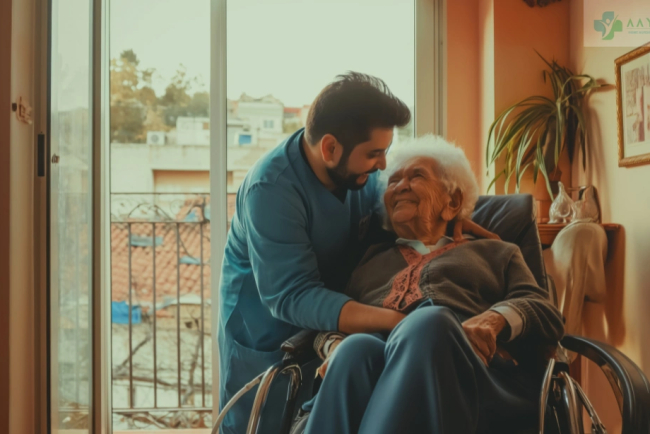
Across India, more seniors are choosing in-home care instead of shifting to an institution. At home they feel closer to family, familiar surroundings and their own routine. In this situation, a trained male attendant becomes a practical and dignified solution, espe-cially for elderly men who need physical help. A male attendant focuses on mobility, hygiene, safety and day-to-day comfort so that seniors can live with dignity, while children gain peace of mind that someone responsible is beside them throughout the day or night. Choosing the right support early often prevents falls, hospital visits and emotional burnout.
What Is a Male Attendant for Elderly Care?
A male nurse home care is a trained helper who supports senior citizens with their day to day activities at home. He is not just a domestic worker, and not always a full medical nurse - he sits in between, as a practical, hands-on support system. A male attendant for elderly helps with movement, hygiene, basic monitoring and daily comfort, so that seniors can continue living safely in their own house.
Unlike a nurse, who is mainly focused on medical procedures, injections and dressings, an elderly male caregiver usually handles non-medical and simple medical tasks - such as helping the patient sit, stand, use the restroom, take a bath, eat on time and follow medicine reminders. He can also keep an eye on blood pressure or sugar readings if the family doctor has guided him.
Compared to a regular housemaid, a home attendant for seniors is specifically trained to handle age-related issues like weakness, imbalance, memory problems or bed sores. His role is to be patient, respectful and alert, giving elders company while reducing the physical and emotional burden on family members.
Key Roles and Responsibilities of a Male Elderly Attendant
A male elderly attendant becomes part of the daily routine at home, so families should know clearly what he will handle.
a. Mobility & Physical Support
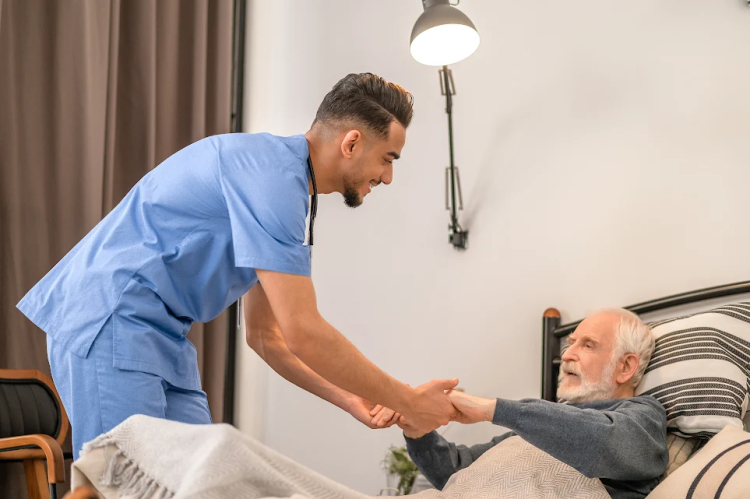
Many seniors struggle with getting up, sitting down or walking safely. The attendant gives steady support while moving from bed to chair, using the toilet, climbing small steps or getting into a wheelchair. He learns how to hold the elder correctly, uses sheets or walkers when needed and focuses on fall prevention rather than rushing the person.
b. Personal Hygiene & Daily Living
Cleanliness is essential for the comfort and dignity of older people. The attendant helps with sponge baths or full baths, brushing teeth, shaving, nail care, changing clothes and adult diapers. He ensures the elder reaches the bathroom on time, keeps the room neat and encourages simple routines so that the person does not feel dependent or embarrassed.
c. Medication & Routine Monitoring
The attendant does not prescribe medicines, but he makes sure tablets, insulin or drops are taken on time as per the doctor’s chart. He can check basic vitals like temperature, pulse, sugar readings or BP if a machine is available and inform the family about any unusual changes in appetite, sleep or behaviour.
d. Companionship & Emotional Support
Loneliness is a silent problem for many seniors. A good male attendant talks to them, listens to stories, reads the newspaper aloud, assists with TV or music and takes them for short walks when possible. This daily companionship keeps the mind active and reduces anxiety.
e. Safety & Supervision
For elders who wake up at night, are confused or are at risk of falling, the attendant keeps a gentle watch. He notices wet floors, loose wires or furniture obstacles and keeps emergency numbers handy. In any urgent situation, he alerts the family quickly and arranges help or hospital support as instructed.
Benefits of Choosing a Male Attendant for Elderly Care
Choosing a male attendant for elderly care can make a visible difference to both the senior and the family. Beyond simple “helping hand” support, the right attendant brings stability, routine and emotional comfort into the house.
a. Physical Strength for Mobility Care
Many older men need firm support for transfers, turning in bed or using the commode. A male attendant usually has the physical strength to lift, adjust posture and prevent falls safely, especially for heavier or bedridden patients. This reduces the risk of injuries for both the elder and family members attempting to manage alone.
b. Comfort & Dignity for Male Seniors
For bathing, dressing, shaving or toilet-related help, many male seniors feel more comfortable with a male caregiver. They can share personal concerns openly without hesitation. This sense of privacy and dignity is very important when age and illness already make them feel vulnerable.
c. Reliable Support for Bedridden Patients
In long term cases like paralysis, advanced arthritis or post-surgery recovery, a trained male attendant can handle regular turning, back care, diaper change and bed exercises as guided by the doctor or physiotherapist. Consistent care prevents bedsores and stiffness, and allows other family members to rest and focus on work or children.
d. Family Peace of Mind
Knowing that a responsible person is present with your parent or grandparent during the day or night gives huge relief. Families can step out for work, travel or personal commitments without constant worry. Over time, a good attendant becomes like an extended family member, sharing updates and helping you make timely decisions about medical follow ups or extra support.
When Should You Choose a Male Attendant for Elderly Care
Families often wonder when to move from “managing somehow” to hiring regular support. A practical way is to look at safety, medical needs and stress on family members. You should strongly consider a male attendant in these situations:
· Post-surgery or major injury
After hip or knee replacement, spine surgery, fractures or other operations, seniors need help to sit, stand, walk with support and use the washroom safely. Correct handling by an attendant lowers the risk of fresh injury.
· Bedridden or paralytic elderly
When an elder cannot turn, sit up or walk on their own, daily care becomes physically demanding. The attendant manages position change, cleaning, diaper care and feeding as per routine, which is hard for one family member to do alone.
· Parkinson’s, stroke or severe arthritis
These conditions affect balance, grip and movement. A trained attendant guides every step, prevents slips and assists with simple exercises or walking practice suggested by doctors or physiotherapists.
· Night-time or 24/7 care needs
If your loved one wakes often at night, feels disoriented, tends to wander or needs frequent bathroom support, a male attendant on night duty or rotating 12-hour shifts keeps them safe while the family rests.
If one or more of these points match your situation, it is usually the right time to arrange dedicated male attendant care at home.
Male Attendant vs Female Attendant: Which Is Right for Your Loved One?
There is no single right answer to the “male attendant vs female attendant” question - it depends on your elder’s body condition, comfort and family culture. For male seniors who need heavy physical support, lifting or full help in the bathroom, a male attendant is often more practical and less awkward. His build and strength make transfers safer and reduce strain on caregivers.
For some elders, especially women, a female attendant may feel more natural for bathing, dressing and intimate hygiene. Respecting the senior’s personal comfort is more important than any outside opinion. If they feel shy or uneasy, cooperation reduces, and care quality suffers.
Cultural considerations also matter. In a few families, daughters or daughters-in-law prefer to manage personal care themselves and use an attendant - male or female - mainly for mobility, cleaning and supervision.
Finally, look at the medical condition. For complex wounds, tubes or procedures, you may need a trained nurse along with or instead of an attendant. Discuss openly with your elder, doctor and family before deciding. The right choice is the person your loved one feels safe with and who can practically meet their daily care needs.
Qualifications, Training, and Skills to Look For
When you invite a male attendant into your home, you are trusting him with both safety and privacy. It is important to check more than just “experience in years.” Look for attendants who have basic training in elderly care - safe lifting techniques, hygiene support, diaper change, feeding assistance and simple exercise support as guided by doctors or physiotherapists.
Ask whether they have worked with chronic conditions such as stroke, Parkinson’s, dementia, paralysis, heart disease or severe arthritis. Experience with such cases means they understand slow movement, confusion, mood changes and how to handle difficult days without losing patience.
Emergency handling skills are equally important. A good attendant should know how to stay calm during breathlessness, falls, sudden chest pain or high fever, and how to contact family, neighbours, ambulance or doctor quickly.
Finally, observe communication and empathy. The attendant should speak respectfully, listen carefully and update the family about small changes in appetite, sleep or mood. Politeness, honesty and a gentle nature are just as important as practical skills when caring for an elder every day.
How to Find a Trusted Male Attendant for Elderly Care
Finding the right male attendant starts with choosing the right channel. Home care agencies that specialise in elderly services usually do basic screening, training and background checks before sending staff to your house. They can also arrange replacements if the attendant is sick, goes on leave or does not match your expectations. This gives families more structure and accountability than hiring casually.
Independent attendants are often referred by friends, neighbours or hospital staff. Some of them are very experienced and reasonably priced, but you must personally verify their ID, address, references and past work. Take time to speak to at least two earlier families they have worked with and ask honest questions about reliability, behaviour and punctuality.
Whenever possible, start with a short trial period of one or two weeks. During this time, keep a close eye on how the attendant handles your elder, hygiene, phone usage and communication. Be present in the house for a few days at the beginning instead of leaving them alone straight away.
Finally, look for male attendants “near you” so that travel is manageable and last-minute extensions or emergencies are easier to handle. A local agency or caregiver who knows your area well can reach you quickly when you need support the most, daily.
Cost of Hiring a Male Attendant for Elderly Care
The cost of a male attendant for elderly care depends on a few practical factors rather than a fixed rate. Charges usually change based on the number of hours (8-hour, 12-hour or 24-hour shifts), the elder’s health condition and the skills required. For example, basic support for a mobile senior is priced lower than full-time care for a bedridden or paralytic patient who needs lifting, diaper change and night supervision.
Day duty, night duty and round-the-clock duty are all billed differently. Attendants arranged through professional home care agencies may seem slightly more expensive than independent caregivers, but that often includes backup support, coordination and some level of screening or training.
Instead of only comparing the lowest price, look at value, reliability, behaviour, continuity and how well the attendant actually supports your loved one. A slightly higher but dependable caregiver is usually better than changing attendants frequently due to poor service or safety concerns.
FAQs – Male Attendant for Elderly Care
Q1. Is a male attendant safe for elderly care?
A trained male attendant from a reliable agency is safe, especially when background checks and references are verified. For extra comfort, keep valuables locked, use cameras in common areas and stay in regular touch with your elder and the agency.
Q2. Can male attendants handle medical needs?
Male attendants mainly support daily activities and basic monitoring. They can give medicines on time, help with doctor-advised exercises, check vitals with machines and assist during hospital visits. For injections, complex dressings or critical care, you should arrange a qualified nurse along with the attendant.
Q3. Are male attendants available for night care?
Yes, many agencies and caregivers offer night duty or 24/7 rotation. Night attendants stay alert to help with bathroom visits, position changes, confusion or restlessness. This reduces fall risks and allows family members to sleep without constant worry.
Q4. How soon can services start?
Through a professional home care agency, services can start within one to three days, depending on your location and need. In urgent situations, a temporary attendant may be arranged faster while a long term match is identified and confirmed with the family.
Q5. Can we change the attendant if it doesn’t work out?
Yes. If you hire through an agency, you can request a replacement after a trial period. Share feedback so the next caregiver is a better fit.
Conclusion: Choosing the Right Care with Confidence
Caring for an ageing parent or grandparent at home is both a privilege and a responsibility. It is normal to feel tired or guilty when you cannot be beside them all the time. A trained male attendant for elderly care does not replace family love, but he makes that love practical by handling the daily physical work with patience and respect.
When the right caregiver is in place, seniors feel safer, cleaner and more confident moving around their own home. Family members get emotional relief, better sleep and time to manage work and personal life without constant worry. Take time to discuss options, check training and references, and listen to your elder’s comfort level.
With the right male attendant, you are not “handing over” responsibility - you are sharing it wisely so your loved one can age with dignity and security.
Hire a Trusted Male Attendant for Elderly Care Today – Ensure Safe, Compassionate Support at Home.
What's Your Reaction?