Daily Responsibilities of a Home Attendant for Elderly Patients
Daily duties of a home attendant for elderly patients — personal care, medication reminders, companionship, and household support, from Aayan.
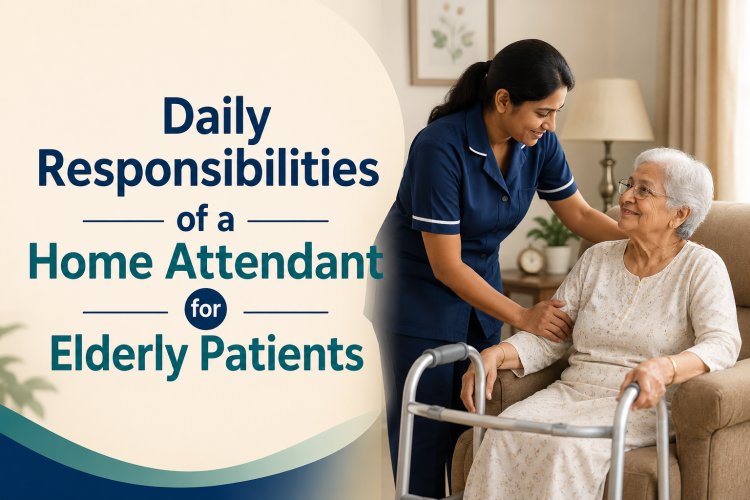
India's 2021 census data indicates that approximately 138 million Indians are aged 60 or above — a figure projected to nearly double by 2050 according to the United Nations Population Fund (UNFPA). For the millions of families managing the care of ageing parents while balancing work and household responsibilities, a home attendant for elderly patients has become one of the most practical and compassionate solutions available.
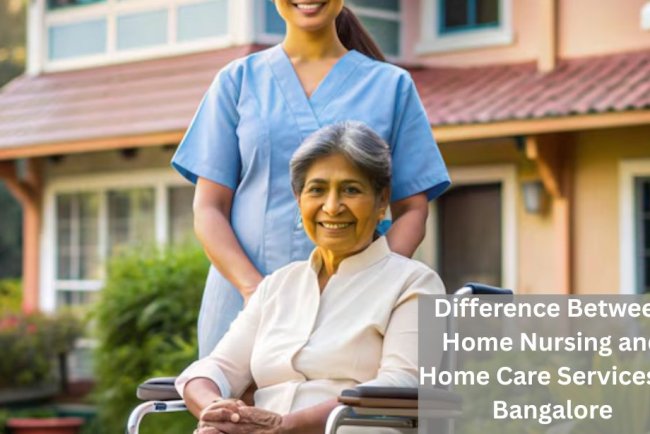
A home attendant is a trained caregiver who visits or lives with an elderly person, providing structured daily support across personal care, household management, health monitoring, and emotional companionship. Unlike institutional care settings, home-based attendance allows seniors to age in the comfort and familiarity of their own home — a preference consistently reported by elderly individuals across India.
This article covers the complete range of daily responsibilities that a qualified home attendant carries out for elderly patients — giving families the clarity they need to understand what to expect, what to ask for, and how professional elderly care support actually works.
Who Is a Home Attendant for Elderly Patients?
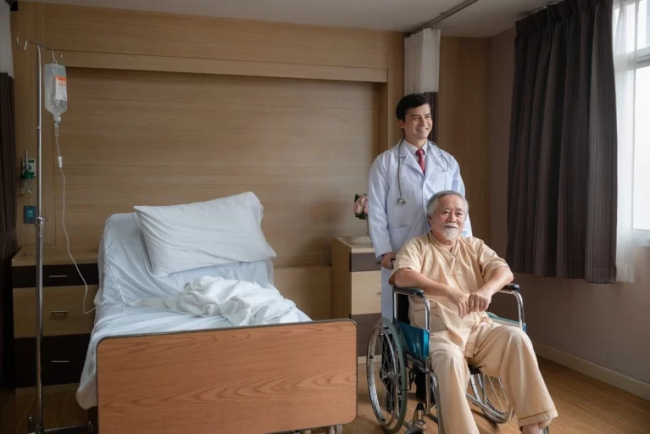
A home attendant for elderly patients is a trained care professional who provides non-clinical daily assistance to seniors living at home. They are distinct from registered nurses or qualified nursing assistants: a home attendant's scope of work centres on personal care, household support, companionship, and basic health observation — not clinical procedures such as injections, wound dressing, or medication administration beyond reminders.
Home nursing services in Bangalore settings, the terms 'home attendant', 'elderly caregiver', and 'senior care attendant' are often used interchangeably. What distinguishes a professional home attendant from informal family care is formal training in elderly care protocols, awareness of fall prevention and mobility support, and the ability to observe and report changes in a senior's health status to the family or supervising clinical team.
|
Role |
Primary Function |
Clinical Scope |
|
Home Attendant |
Personal care, household support, companionship, basic health observation |
Non-clinical — no medical procedures |
|
Home Nurse (RN/GNM) |
Clinical care: wound management, injections, IV, monitoring vital signs |
Clinical — licensed nursing procedures |
|
Physiotherapist |
Therapeutic exercises and mobility rehabilitation |
Clinical — prescription-based therapy |
|
Companion / Aide |
Social engagement and errands |
Non-clinical — no care training required |
Why Elderly Patients Need Professional Home Assistance
Age-related changes accumulate gradually — and so does the support requirement. Families often underestimate how significantly a senior's daily functioning capacity can change within a single year. The conditions that most commonly generate the need for a home attendant in Indian families include:
• Mobility limitations: Arthritis, joint replacement recovery, stroke-related weakness, and age-related muscle loss (sarcopenia) all reduce a senior's safe mobility — creating fall risk and reducing independence in basic tasks
• Chronic health conditions: Diabetes, hypertension, COPD, Parkinson's disease, and dementia each create daily management requirements that benefit from structured, consistent caregiver support
• Post-hospitalisation recovery: Seniors discharged after surgery or acute illness are particularly vulnerable in the first 30–90 days — a period when a home attendant's presence can prevent re-admission
• Cognitive decline: Memory impairment and dementia reduce a senior's ability to manage medication schedules, nutrition, and personal safety independently
• Social isolation: Loneliness is a documented health risk among elderly populations in India — particularly for seniors living alone or in households where working family members are absent during the day
Assisting with Daily Personal Hygiene
Personal hygiene assistance is typically the first area of daily life where elderly patients need support, and maintaining it well has measurable health benefits: it prevents skin infections, urinary tract infections, pressure sores, and dental complications that disproportionately affect seniors with limited mobility.
What a Home Attendant Does for Personal Hygiene
• Bathing assistance: Helping the senior bathe safely — whether a full bath, sponge bath, or shower — with appropriate support for balance and transfer. Water temperature is verified, non-slip mats are in place, and the senior's dignity is maintained throughout
• Grooming and oral care: Combing hair, trimming nails carefully, shaving, and assisting with dental hygiene including denture care where applicable. Oral health is particularly important for seniors as poor oral hygiene is linked to respiratory infections and poor nutrition
• Dressing support: Selecting appropriate clothing, helping the senior dress and undress, and fastening buttons or closures they cannot manage independently. The attendant follows the senior's clothing preferences to preserve their sense of identity
• Skin care: Applying moisturiser, checking for early pressure sore formation at bony prominences (heels, sacrum, hips), and repositioning bedridden patients at regular intervals to prevent skin breakdown
Supporting Mobility and Physical Activities
Falls are the leading cause of injury-related hospitalisation among elderly Indians, according to the Indian Journal of Community Medicine. A home attendant's mobility support role is therefore one of the most safety-critical aspects of their daily responsibilities.
• Safe ambulation support: Walking alongside the senior, providing a steadying arm or supporting the use of a walking frame or stick. Attendants are trained to identify gait instability and report it to the family
• Transfers — bed to chair and back: Safe transfer technique is one of the most important skills a trained attendant brings. Incorrect transfers cause falls and back injuries for both the caregiver and the patient. Professional attendants use proper body mechanics and transfer aids where available
• Fall prevention: Environmental assessment — removing trip hazards, ensuring adequate lighting, confirming that non-slip mats are in place in bathrooms, and keeping frequently used items within easy reach
• Encouraging light movement: Gentle range-of-motion exercises as recommended by the treating physician or physiotherapist, short supervised walks within the home, and encouraging the senior to remain as mobile as their condition safely permits
Assistance with Toileting and Continence Care
Continence care is among the most sensitive areas of elderly home care, and one where the attendant's compassion, patience, and training matter most. Incontinence — urinary and occasionally faecal — affects a significant proportion of elderly patients with mobility limitations, neurological conditions, or post-surgical recovery needs.
• Safe restroom assistance: Helping the senior reach and use the toilet safely, with appropriate support for lowering and rising from the toilet seat and ensuring the environment is safe
• Incontinence care: Changing adult diapers or continence pads promptly, cleaning the skin thoroughly to prevent dermatitis, and applying barrier cream where indicated. Attendants maintain hygiene standards strictly to prevent skin breakdown and infection
• Dignity and privacy: Every element of continence care is carried out with the senior's privacy protected and their dignity maintained. This is both an ethical standard and a practical one — seniors who feel embarrassed or undignified in continence care are less likely to cooperate, increasing skin health risk
Medication Reminders and Health Monitoring
Medication non-adherence is one of the most preventable causes of health deterioration in elderly patients. A 2022 review in the Indian Journal of Geriatrics and Gerontology found that over 45% of elderly patients in community care settings missed medications regularly — most commonly due to forgetting, confusion about schedules, or inability to open medication packaging.
A home attendant addresses this directly — not by administering medications (which requires nursing qualification) but by ensuring the senior takes the correct medications at the correct times, flagging any missed doses or unusual reactions to the family or supervising nurse.
• Timely medication reminders: Following the doctor's prescribed schedule, reminding the senior of each medication's timing, and observing that it has been taken
• Basic health observation: Monitoring observable indicators — changes in mobility, appetite, skin colour, swelling in ankles or legs, complaints of pain, unusual confusion or agitation — and reporting these to the family
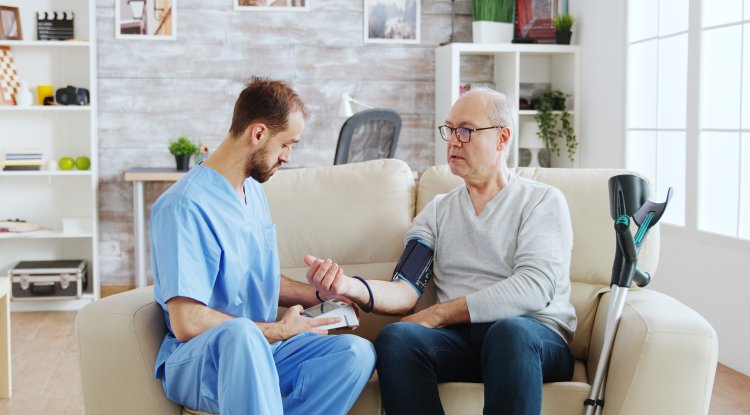
• Vital signs awareness: Trained attendants may assist with recording blood pressure, pulse, or blood glucose readings when equipment is available and they have been instructed by the supervising nurse — these readings are reported, not interpreted
• Following the care plan: Professional home attendants work within a care plan established by the family and the treating healthcare provider. Any deviation from the plan is reported and documented
|
Clinical note: Home attendants are not trained to administer medications, interpret clinical readings, or provide nursing procedures. If your family member requires medication administration, wound care, or clinical monitoring, a qualified home nurse (RN or GNM) is required. Aayan Global provides both home attendants and qualified home nurses — contact the team to discuss the appropriate level of care for your situation. |
Meal Preparation and Nutritional Support
Nutritional decline in elderly patients is both common and serious. Reduced appetite, difficulty chewing, altered taste sensation, and medication-related appetite suppression all contribute to under-nutrition among seniors living at home. A home attendant's role in meal preparation and feeding support is a meaningful intervention in this pattern.
• Preparing nutritious meals: Cooking age-appropriate meals that account for the senior's dietary restrictions — low-sodium for hypertension, low-glycaemic for diabetes, soft foods for dental or swallowing difficulties
• Feeding assistance: For seniors with severe weakness, tremors, or stroke-related arm function loss, the attendant assists with feeding — ensuring appropriate portion size, pace, and upright positioning to prevent choking
• Hydration encouragement: Elderly patients are physiologically less sensitive to thirst. The attendant actively encourages fluid intake throughout the day, particularly in Bangalore and Mangalore's warm climate where dehydration risk is significant
• Following medical dietary guidelines: All meal preparation follows the dietary recommendations provided by the family's physician or dietitian — the attendant does not modify dietary plans independently
Supporting Recovery and Chronic Condition Management
Post-hospitalisation and chronic condition management are the two contexts where home attendant support produces the most measurable improvement in patient outcomes. For families bringing an elderly parent home after surgery, a cardiac event, or a diabetic complication, a trained attendant provides the consistency and observation that prevents rapid deterioration.
• Post-hospitalisation recovery support: Helping the senior follow discharge instructions, maintaining appropriate activity restrictions, assisting with prescribed exercises, ensuring medications are taken correctly, and reporting any warning signs to the family and the treating physician
• Diabetes management support: Observing for symptoms of hypoglycaemia (shakiness, cold sweats, confusion) or hyperglycaemia (excessive thirst, fatigue, blurred vision), following prescribed meal timing, and ensuring the senior does not miss medications. Attendants do not interpret blood glucose readings — they report them
• Arthritis and joint care: Assisting with prescribed low-impact movement, ensuring the home environment reduces unnecessary joint stress (appropriate seating height, rails in bathrooms), and helping the senior maintain their prescribed routine for pain management
• Monitoring recovery progress: Observing and reporting changes in the senior's condition — improvements and deterioration — to the family and the supervising clinical team on a regular basis
Helping with Everyday Household Tasks
A well-maintained home environment is directly connected to elderly safety. Clutter creates fall risk. An unkempt bed creates skin health risk. An unclean kitchen creates infection risk. A home attendant's household responsibilities are not supplementary to care — they are a component of the care environment.
• Laundry assistance: Washing and folding the senior's clothes and bed linen, ensuring clean items are available and that soiled items are managed promptly — particularly important in incontinence care
• Bed making: Changing bed linen regularly, ensuring the sleeping surface is clean and wrinkle-free (wrinkles in bed linen can contribute to pressure sores in bedridden patients), and adjusting pillows and positioning aids as required
• Living space organisation: Light housekeeping — tidying the senior's room and common areas, keeping frequently needed items within easy reach, and ensuring the home remains uncluttered and navigable
• Environmental safety checks: Routine observation of the home for emerging hazards — a loose rug, a burned-out light bulb in a corridor, a cluttered path from the bedroom to the bathroom — and reporting or addressing these promptly
Providing Emotional Support and Companionship
Emotional isolation among elderly Indians is a significant and under-recognised health risk. A 2023 Longitudinal Ageing Study in India (LASI) found that over 27% of elderly respondents reported feelings of loneliness, with those living alone and those with mobility limitations at highest risk. A home attendant's companionship role addresses this directly.
• Conversation and presence: A consistent, familiar attendant provides reliable daily social contact — conversations about daily life, family news, or topics of interest that reduce the senior's sense of isolation
• Hobby and recreational engagement: Supporting the senior in activities they enjoy — whether reading together, watching preferred programmes, light gardening, or listening to music — maintaining their engagement with the activities that give them pleasure
• Emotional attunement: Observing and responding to changes in mood, recognising signs of anxiety or depression, and reporting persistent emotional changes to the family. A trained attendant understands that emotional well-being and physical health are inseparable in elderly care
• Trust building: The most effective home attendant relationships develop through consistency and reliability. Seniors who trust their attendant cooperate more effectively with all aspects of their care — the relationship itself is a therapeutic asset
Assisting with Appointments and Daily Schedules
Maintaining structure in daily life is particularly important for seniors with cognitive decline, but benefits all elderly patients. A predictable routine reduces anxiety, supports medication compliance, and makes physiological sense — the body's circadian rhythms function better with consistent mealtimes, activity, and sleep schedules.
• Routine maintenance: Following an agreed daily schedule — wake time, mealtimes, bathing, activity, rest, and medication timings — that provides the senior with predictability and the family with confidence
• Appointment coordination support: Reminding the senior of upcoming medical appointments, helping them prepare (including getting dressed, gathering documents and medication lists), and accompanying them to appointments where the family requires support
• Family communication: Regular updates to the family on the senior's daily condition, any deviations from the routine, observations of health changes, and confirmation that appointments and medication schedules have been maintained
Benefits of Professional Home Attendant Services for Seniors
|
Benefit |
How It Appears in Daily Life |
|
Improved quality of life |
Seniors maintain personal dignity, remain in familiar surroundings, and receive individualised attention |
|
Greater independence |
Support is calibrated to what the senior cannot do independently — not blanket dependency — preserving function |
|
Enhanced safety |
Fall risk is actively managed, environment is maintained, and early warning signs are caught before escalation |
|
Personalised care |
Care plan is specific to the individual's health conditions, preferences, and family values — not institutional routine |
|
Reduced hospitalisation risk |
Consistent health observation, medication adherence, and nutrition support reduce the events that lead to acute admission |
|
Continuity for cognitive care |
A consistent familiar attendant is particularly beneficial for seniors with dementia, who are distressed by change |
How Home Attendants Support Family Caregivers
Family members who provide primary care for elderly relatives experience high rates of physical and psychological burnout — a pattern documented in the Journal of the Indian Academy of Geriatrics. Professional home attendant support reduces this burden in four direct ways:
• Reduced direct care burden: Working family members no longer need to return home mid-day for medication reminders, meal preparation, or personal care assistance
• Respite support: Family members can take time for their own health, work, and personal needs with confidence that the senior is being appropriately supported
• Peace of mind: Knowing a trained professional is present reduces the persistent background anxiety that family caregivers report as one of the most draining aspects of elderly care responsibility
• Family well-being: When the primary caregiver's stress is reduced, the quality of family relationships — including the relationship with the elderly parent — typically improves
Choosing the Right Home Attendant for Elderly Patients
The quality of a home attendant's work is determined by four factors that families should specifically evaluate when making this decision:
• Experience and qualifications: Ask specifically about experience with the senior's conditions — a patient with Parkinson's has different care requirements from one recovering from hip replacement. Verify any training certificates
• Communication skills: The attendant must be able to communicate clearly with the senior in a language and manner they understand, and report clearly to the family. For Bangalore and Mangalore families, language compatibility is particularly important
• Reliability and consistency: Elderly care requires consistent attendance. Ask the agency about attendance records, replacement procedures when an attendant cannot attend, and the handover protocol when attendants change
• Background verification: Any professional placed in an elderly person's home must have undergone police verification and identity verification. This is non-negotiable — ask for written confirmation from the agency
• Agency support structure: An individual attendant is only as reliable as the agency supporting them. Choose an agency with a named supervisor, documented escalation process, and regular monitoring visits
Ensuring Comfort, Safety, and Dignity Through Professional Elderly Care
The daily responsibilities of a home attendant for elderly patients span personal hygiene, mobility safety, continence care, medication reminders, meal preparation, household maintenance, health observation, and emotional companionship. Each area is individually important; together, they constitute a care environment that allows an elderly person to live with dignity, safety, and comfort in their own home.
For families in Bangalore, Mangalore, and Udupi managing the care of ageing parents, professional home attendant support is both a practical solution and an act of considered family responsibility. The right attendant, placed by a trustworthy agency with proper background verification and clinical oversight, delivers measurable benefit to both the senior and the family.
|
Disclaimer: The information in this article is for general guidance only. Home attendant care requirements vary significantly by individual health condition. Always consult a qualified healthcare professional or registered home care agency before establishing or modifying a care arrangement for your family member. |
|
Elderly Home Care Support in Bangalore, Mangalore & Udupi Aayan Global provides trained home attendants and qualified home nursing staff for elderly patients across Bangalore, Mangalore, and Udupi. All staff are background-verified, experienced in elderly care, and supported by a clinical supervision structure. ???? Mangalore: +91 73495 13467 / +91 96119 12556 ???? Bangalore: +91 81472 97666 |
Frequently Asked Questions
What is the difference between a home attendant and a home nurse for elderly patients?
A home attendant for elderly patients provides non-clinical daily support — personal hygiene, mobility assistance, meal preparation, companionship, and household tasks. A home nurse (qualified with RN, GNM, or ANM registration from the Indian Nursing Council) provides clinical services — wound dressing, medication administration, injections, and clinical monitoring. Many families require both, and agencies like Aayan Global can provide the appropriate level based on the senior's actual care needs.
What are the daily duties of a senior care attendant?
A senior care attendant's daily duties include: assisting with bathing, grooming, and dressing; supporting safe mobility and fall prevention; providing continence care; preparing meals and encouraging hydration; medication reminders (not administration); light housekeeping; emotional companionship; and observing and reporting changes in health status to the family. The specific duties for any individual senior are defined in a care plan agreed between the family, the agency, and where applicable, the treating healthcare provider.
How do I know if my elderly parent needs a home attendant?
Signs that a home attendant may be needed include: difficulty managing personal hygiene independently, increased fall risk or recent falls, missed medications, unintentional weight loss, reduced mobility, a diagnosis requiring ongoing management (diabetes, cardiac conditions, post-surgery recovery), or increasing social isolation. A qualified home care agency can conduct an initial assessment to help families determine the appropriate level of support.
Is background verification done for home attendants in India?
Reputable home care agencies in India — including Aayan Global — conduct police verification and identity verification (Aadhaar or equivalent) for all staff before placement. Families should specifically ask for written confirmation of background verification before any attendant begins working in the home. Agencies that cannot provide this documentation should not be used for elderly home care.
Can a home attendant provide care for seniors with dementia?
Trained home attendants can provide significant daily support for seniors with early to moderate dementia — maintaining routine, providing structured activity, assisting with personal care, and monitoring for safety risks. For seniors with advanced dementia or significant behavioural symptoms, a qualified nurse with specialist training may also be required alongside the home attendant. Families should discuss the specific diagnosis and behavioural profile with the agency to ensure the attendant placed has relevant experience.
|
Disclaimer (FAQ): The answers above are for informational purposes only. Individual care needs vary significantly by health condition and must be assessed by a qualified healthcare professional. Consult a licensed home care agency or your family physician before making care arrangement decisions. |
|
Written by L K Monu Borkala Chief Strategist, OneCity Technologies L K Monu Borkala is a digital marketing strategist with 20+ years of experience producing informational content across healthcare services, home care, and professional services verticals. This article is produced for informational purposes only. Consult a licensed healthcare provider or registered home care agency before making decisions about home nursing or care arrangements. LinkedIn: https://www.linkedin.com/in/monuborkala/ |
What's Your Reaction?