
Aayan Global · Bangalore's Certified Home Nursing Service
When someone you love needs medical care at home, two things matter more than anything else: who is walking through your door, and whether they know what they are doing. Aayan Global places qualified, background-verified GNM and B.Sc. nurses directly in your home – same-day in most parts of Bangalore.
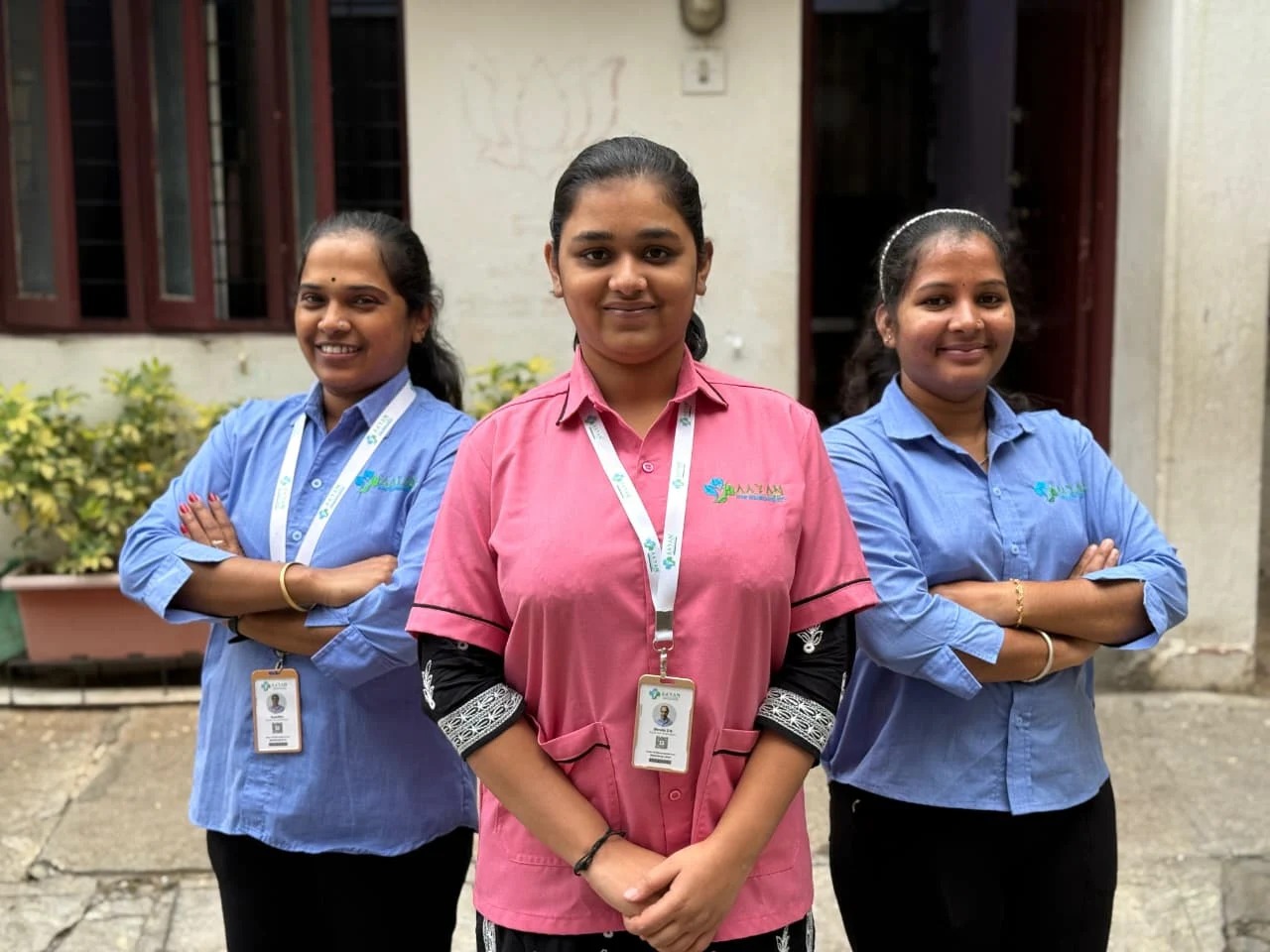
Aayan Global's home nursing services in Bangalore handle the full range of clinical home nursing: post-surgery wound management, elderly and dementia support, 24-hour patient monitoring, IV therapy, catheter care, physiotherapy, and newborn care. Each care plan is built around your patient's specific condition, not a generic package.
We operate across Bangalore seven days a week, including public holidays, with same-day and emergency deployment available in most areas of the city.
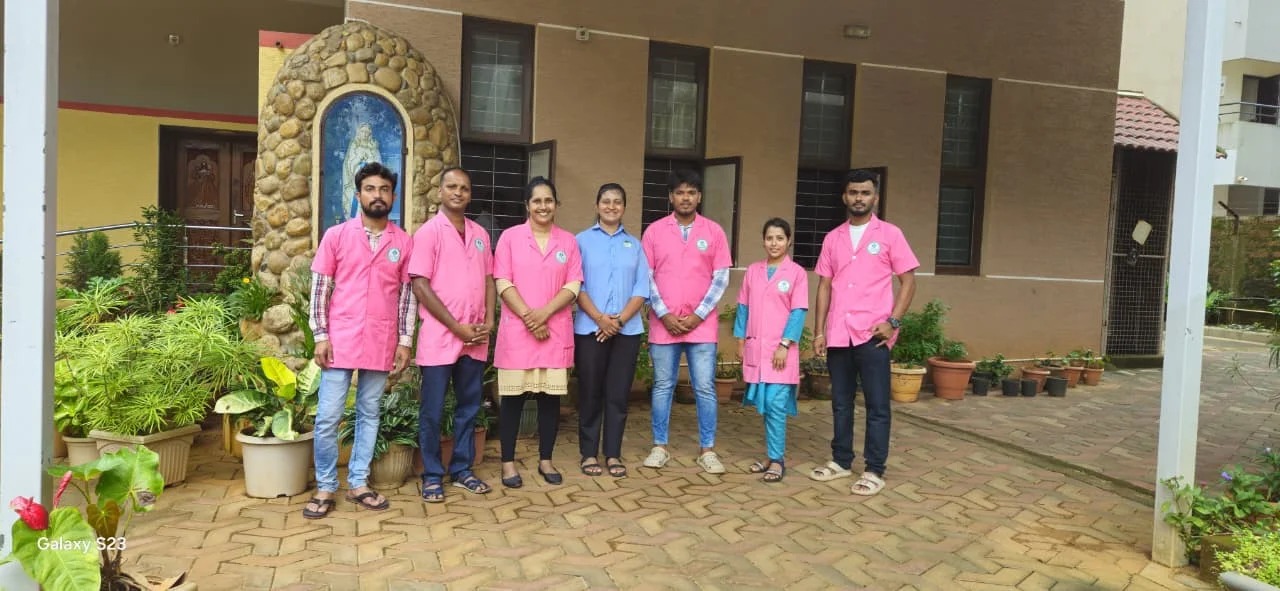
The shift from hospital-first to home-first care is not a trend – it is a clinically supported, family-endorsed change in how Bangalore manages recovery and long-term care. The reasons are practical, medical, and deeply human.
Hospital OPD visits and extended inpatient stays carry a risk most families underestimate: healthcare-associated infections (HAIs). Shared wards, high patient turnover, and multi-use equipment all contribute to an infection environment that a recovering, immunocompromised patient does not need. At home, with a dedicated nurse following strict hygiene and aseptic protocols, that risk is dramatically reduced.
There is also the recovery science. Research on home versus hospital care for elderly and post-surgical patients consistently shows faster healing timelines, lower readmission rates, and better patient wellbeing scores when care occurs in a familiar, low-stress home environment. This is not comfort – it is clinical outcome.
For Bangalore families specifically, there are the realities of city life: traffic that turns a 10-km hospital trip into a two-hour ordeal, parking costs, OPD queues for routine dressing changes, and the physical toll on a patient who should be resting. A certified home nurse eliminates all of that.
Clinical note: Studies on structured home nursing programmes consistently show lower hospital readmission rates and measurable improvements in patient mood, appetite, and cooperation with treatment plans compared to clinic-only follow-up care.
Aayan Global offers a complete range of home-based clinical nursing and healthcare support. Here is what each service actually involves in practice – not a list of labels, but a description of what our nurses do in your home.
Our qualified GNM and B.Sc. nurses perform clinical procedures that most families cannot safely manage alone: IV fluid administration, intravenous medication delivery, urinary catheter insertion and care, tracheostomy suction and dressing, nasogastric (Ryle's tube) and PEG tube feeding, wound assessment and dressing changes, and blood glucose monitoring. Every procedure is performed using aseptic non-touch technique (ANTT) – the same clinical standard used in hospital wards – and documented for continuity of care.
This is not attendant-level help. It is registered nursing care delivered in your home, to hospital-grade protocol.
Diabetic wounds – particularly foot and lower leg ulcers – require specialised clinical management. Peripheral neuropathy means patients often cannot feel pain that signals deterioration. Poor circulation slows healing and increases infection risk significantly. Our nurses are trained in diabetic wound assessment using the Wagner and University of Texas classification systems, antimicrobial dressing selection, moisture balance management, and early recognition of ischaemic or infective complications that require urgent physician escalation.
Clinical note: Diabetic patients should not self-manage foot or leg ulcers without clinical supervision. Early professional intervention at home is far preferable to waiting until a complication forces emergency admission.
Our dedicated elderly nursing support covers: daily vitals monitoring (blood pressure, oxygen saturation, temperature, blood glucose), medication management and administration, bathing and personal hygiene with dignity, meal preparation aligned to dietary and medical requirements, fall risk assessment and safe mobility support, and cognitive stimulation for patients with early-stage dementia.
For patients with advancing dementia or Alzheimer's disease, our nurses work within consistent daily routines – the single most evidence-supported approach to reducing agitation and improving quality of life.
Family note: We brief family members at every visit – what was observed, what was done, and what to watch for. You remain informed and in control, even when you cannot be present.
Post-surgery home care in Bangalore matters most in the first two to four weeks after discharge – exactly when patients are most vulnerable to complications and least equipped for repeated OPD trips. Our service works directly from your surgeon's discharge notes and care plan, maintaining documentation shareable with the operating team at follow-up.
Post-operative wounds need regular professional dressing changes. Drains require monitoring. Surgical closures – sutures, staples, or clips – need assessment at every visit. Early warning signs of complications – surgical site infection, seroma formation, poor wound healing – need a trained clinical eye before they escalate.
We cover all post-operative contexts: abdominal surgeries, orthopaedic procedures, cardiac surgery follow-up, gynaecological procedures, oncological surgeries, and ENT procedures.
Some patients need continuous nursing oversight – not because they are in hospital-level crisis, but because their condition requires someone present and alert at all times. This includes stroke patients in early recovery, elderly people with severe dementia who are unsafe alone overnight, critically ill patients receiving palliative care at home, and post-ICU patients transitioning back to the community.
Our 24-hour nursing care at home Bangalore service places a qualified nurse in your home for the full day, managed in shift rotations to maintain alertness and clinical standards throughout. This is not a caretaker sleeping in the next room. It is active, professional nursing oversight, around the clock.
Our postnatal nursing service covers lactation guidance and breastfeeding support, newborn feeding assessment, infant bathing and hygiene, maternal wound care for caesarean or episiotomy sites, postnatal health monitoring, and emotional support for new mothers adjusting to early parenthood. We also support families with preterm or low-birthweight newborns transitioning home from NICU who need clinical monitoring in the early weeks.
Recovery from orthopaedic surgery, stroke, spinal injury, or prolonged bedrest requires structured physical rehabilitation. Our home physiotherapy service provides customised mobility and strengthening exercises, passive physiotherapy for bedridden patients to prevent muscle atrophy and joint contractures, post-stroke rehabilitation protocols, pain management for arthritis and musculoskeletal conditions, and breathing exercises for COPD and post-cardiac surgery patients. Consistency is what produces rehabilitation results – home physiotherapy removes the transport barrier that stops many patients from maintaining it.
Transparency about home nursing charges in Bangalore is something we take seriously. The table below shows realistic 2026 market ranges based on current Bangalore pricing. Your confirmed cost is communicated before any nurse arrives – never after.
| Service | Approx. Cost (2026) | What's Included |
|---|---|---|
| Basic Attendant (12 hrs) | ₹800 – ₹1,200 / day | Hygiene, feeding, mobility, medication reminders |
| Skilled Nurse (12-hr shift) | ₹1,200 – ₹2,000 / day | IV, wound care, catheter, injections, vitals monitoring |
| 24-Hour Home Nursing | ₹2,000 – ₹3,500 / day | Round-the-clock certified nursing in shift rotations |
| Post-Surgery Care Package | ₹18,000 – ₹30,000 / mo | Wound management, vitals, drain monitoring, physiotherapy |
| Elderly / Dementia Live-In Care | ₹25,000 – ₹55,000 / mo | Memory care, fall prevention, daily nursing support |
| ICU-Level Home Nursing | ₹4,000 – ₹8,000+ / day | ICU-trained nurse, ventilator support, critical medications |
Getting expert patient care at home in Bangalore through Aayan Global takes less than 24 hours from first contact to nurse arrival in most cases.
Tell us the patient's condition, location in Bangalore, and care level needed. Our care coordinator answers directly – no automated queues.
Our senior care coordinator visits your home, assesses the patient's clinical needs and living environment. No charge for this assessment.
Based on assessment and, where applicable, the treating doctor's discharge instructions, we build a documented plan covering nursing procedures, medication schedules, dietary needs, and monitoring parameters.
We assign a qualified nurse matched to your patient's specific medical needs – not whoever is available. You meet the nurse before care begins.
Your nurse arrives on schedule, performs all clinical and support tasks, and maintains a daily care record accessible to family and the treating physician.
Our coordination team checks in weekly to assess care quality and patient progress. Our helpline is available around the clock for any urgent concern between visits.
Clinical home nursing is the appropriate option for anyone whose recovery, condition management, or support needs are better served at home with consistent, personalised care. Aayan Global most commonly serves:
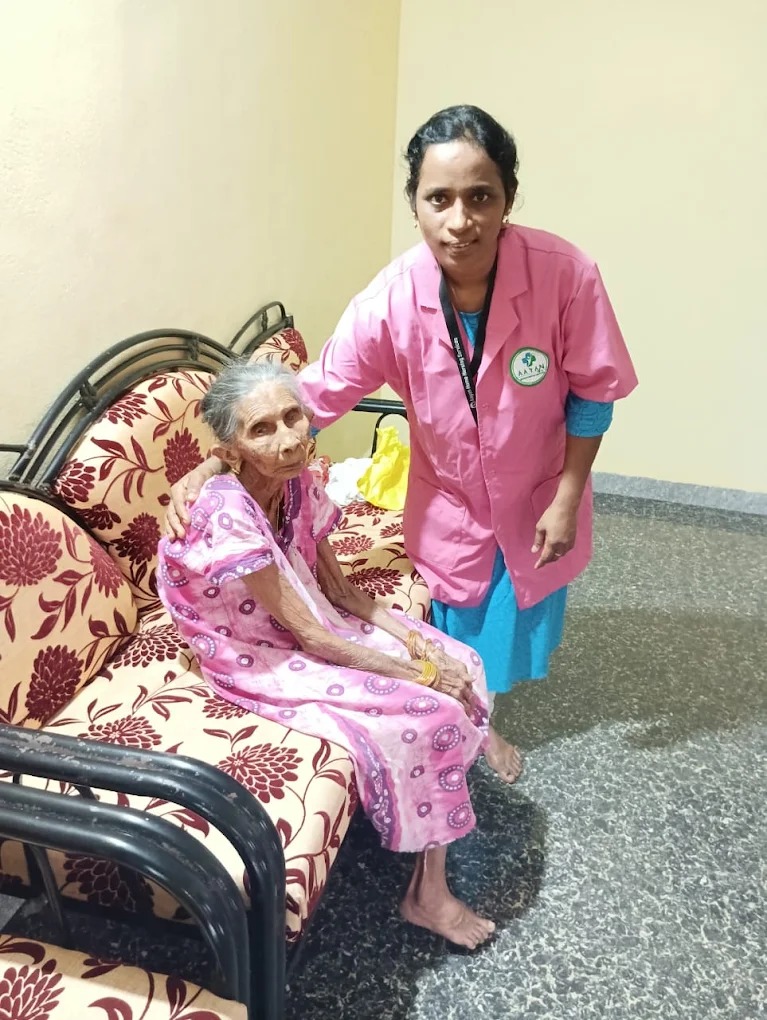
Age-related decline in immunity and skin integrity means elderly patients heal more slowly and face higher infection risks in clinical settings. A dedicated home nurse for elderly care in Bangalore is also significant relief for family caregivers.
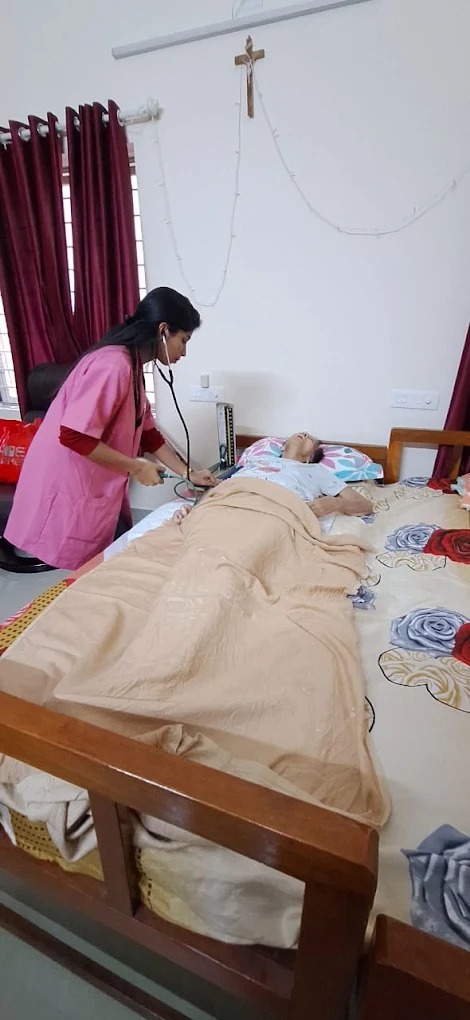
Anyone discharged with wounds, drains, or sutures requiring professional follow-up. Post-surgery home care Bangalore services provide the clinical continuity that prevents readmissions.
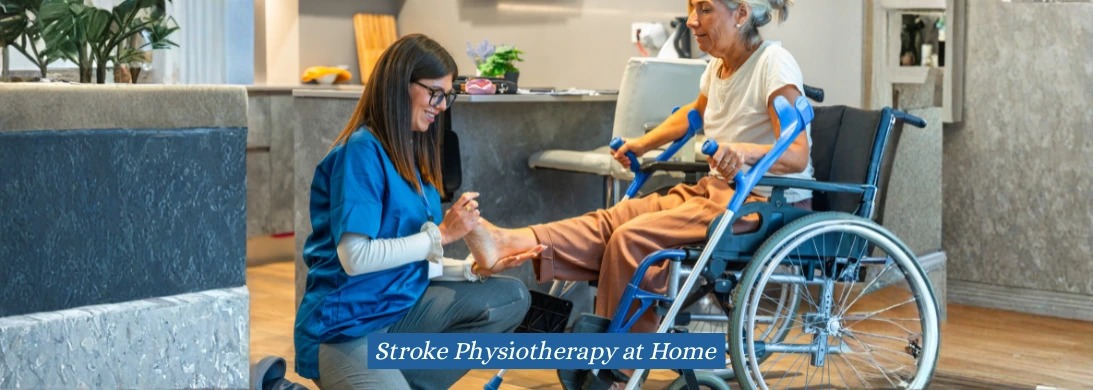
Stroke survivors, Parkinson's patients, and those with spinal injuries require structured rehabilitation and daily nursing support to rebuild function and prevent complications.

Diabetes, COPD, heart failure, kidney disease, and oncology patients requiring ongoing monitoring, medication management, and condition-specific nursing at home.
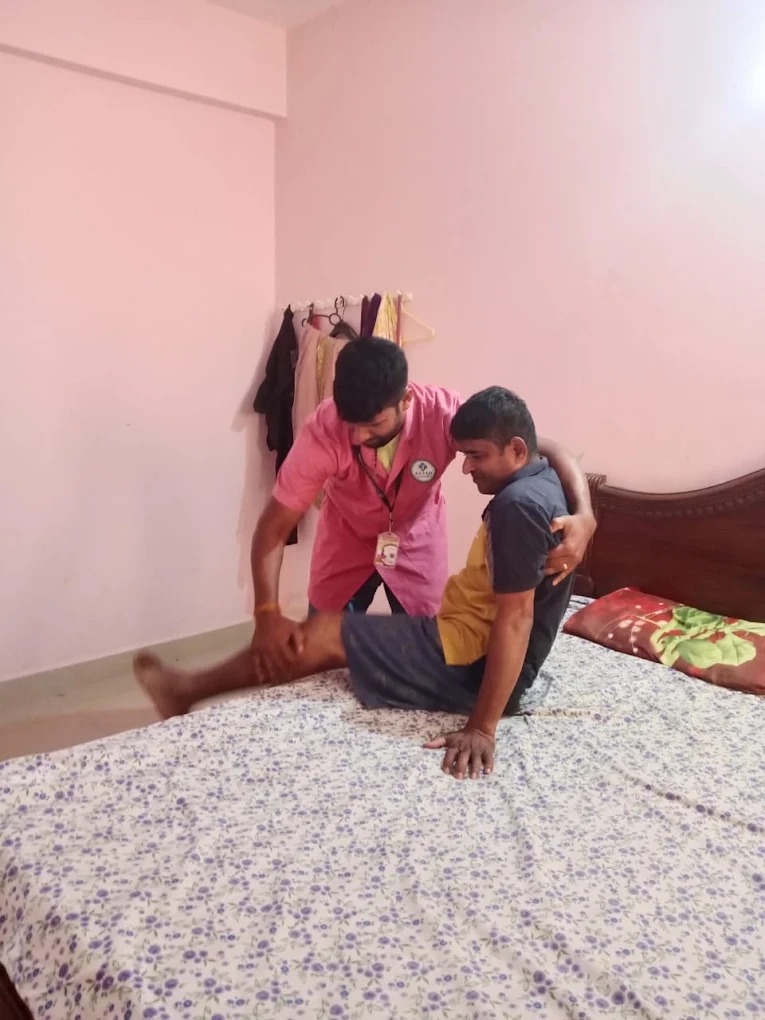
Patients transitioning from ICU to home who still need a clinical level of monitoring but no longer require full hospital infrastructure.
Pain management, medication administration, wound care, and compassionate end-of-life support provided with dignity at home.

Particularly for caesarean recovery, preterm newborn monitoring, and lactation support in the first critical weeks after birth.
There are many providers of nursing care at home in Bangalore. Here is what makes Aayan Global a different and more trustworthy choice – stated plainly, not as marketing copy.
We do not send unqualified attendants for clinical nursing tasks. Every nurse holds a recognised Indian nursing qualification matched to the patient's specific clinical needs.
Every nurse undergoes criminal background verification, professional reference checks, and identity verification before joining Aayan. You know who is in your home.
Our clinical procedures and care documentation follow ISO-certified standards, giving families and referring physicians a consistent, auditable record of care across every visit.
Daily care reports, vitals documentation, and medication logs are available through our app, giving family members a real-time view of the patient's status.
We work from your treating doctor's discharge instructions and share care documentation back to the clinical team at follow-up appointments. We are part of the care continuum, not separate from it.
Hourly, 12-hour shift, 24-hour, weekly, and monthly packages are all available. We adapt to what the patient actually needs, not a fixed service tier.
Urgent and emergency requests are handled the same day in most service areas. Call us with the patient's condition and we confirm availability immediately.
Transparency note: You can ask to see any Aayan nurse's qualification certificate and background verification clearance before care begins. We actively encourage families to verify credentials – it is part of how trust is built.
Aayan Global's nurse network covers all major residential zones across the city. If your area is not listed, please call us – our network is expanding and we can often accommodate locations outside our core zones.
Hebbal, Yelahanka, Thanisandra, Kogilu, Nagawara, Hennur
Whitefield, ITPL, Varthur, Mahadevapura, Marathahalli, Brookefield, Bellandur
Jayanagar, JP Nagar, Banashankari, BTM Layout, Hongasandra, Electronic City, Neeladri
Indiranagar, Koramangala, HSR Layout, Domlur, Richmond Town
Rajajinagar (head office), Vijayanagar, Malleswaram, Nagapura
Sarjapur, Carmelaram, Begur, Haralur
Home nursing services in Bangalore refer to professional medical and personal care delivered by qualified nurses at a patient's home, replicating the clinical oversight of a hospital without inpatient admission. At Aayan Global, this includes wound dressing and post-surgical care, IV fluid and medication administration, catheter care, tracheostomy management, vitals monitoring, diabetic wound care, elderly and dementia support, physiotherapy, mother and newborn care, and 24-hour nursing supervision. Every service is delivered by a GNM or B.Sc. Nursing qualified nurse, not an attendant.
Home nursing charges in Bangalore in 2026 range from ₹800 to ₹1,200 per day for basic 12-hour attendant care, ₹1,200 to ₹2,000 per day for a skilled nurse on a 12-hour shift, and ₹2,000 to ₹3,500 per day for full 24-hour nursing. Monthly packages for elderly live-in care range from ₹25,000 to ₹55,000 depending on complexity. ICU-level nursing starts from ₹4,000 per day. Aayan Global confirms your exact cost before the nurse arrives – no hidden fees, no surprise charges.
Yes. Aayan Global's 24-hour nursing care at home Bangalore service places a certified nurse in the patient's home for continuous round-the-clock care, managed in shift rotations to maintain alertness. This is recommended for stroke patients in early recovery, elderly patients with severe dementia who are unsafe overnight, palliative care patients, and ICU step-down patients transitioning home. Available 7 days a week including public holidays – call to confirm same-day availability.
Yes – elderly care is our most frequently requested service. Our nurses provide daily vitals monitoring, medication management, personal hygiene with dignity, mobility assistance, fall risk reduction, dietary support, and cognitive stimulation. For patients with dementia or Alzheimer's disease, we maintain consistent daily routines proven to reduce agitation and improve quality of life. Live-in elderly care is available for patients who need 24-hour support.
In most parts of Bangalore, Aayan Global can arrange post-surgery home care in Bangalore within 24 hours of your initial call. For same-day urgent requests – for example, a patient being discharged earlier than expected – call us directly and we will prioritise nurse deployment. We work from your surgeon's discharge notes and care plan, ensuring the nursing care at home is fully aligned with the treating physician's clinical instructions.
Every nurse holds a recognised Indian nursing qualification – either GNM (General Nursing and Midwifery) or B.Sc. Nursing. For ICU-level home nursing, we assign nurses with specific critical care training. All staff are background-verified, professionally referenced, and identity-checked before deployment. You can request to see any nurse's qualification certificate before care begins – we actively encourage this.
For most patients managing post-surgical recovery, chronic conditions, or elderly care needs, structured home nursing is clinically safer than repeated OPD visits. Hospitals are high-footfall environments where healthcare-associated infection risk is significant for immunocompromised patients. Aayan Global nurses follow strict aseptic protocols on every visit, and research consistently shows lower readmission rates and better clinical outcomes for patients under structured home nursing programmes compared to clinic-only follow-up.
Yes. Aayan Global serves patients across all major Bangalore zones including Whitefield, Electronic City, Sarjapur Road, Indiranagar, Koramangala, Marathahalli, Jayanagar, HSR Layout, Hebbal, Rajajinagar, and surrounding areas. If your location is not listed, please call – our nurse network is expanding and we can often accommodate unlisted locations.
Your patient deserves professional clinical care in the comfort and safety of home – not a long hospital queue, not a rushed OPD appointment, not a well-meaning family member performing procedures they were never trained for. Across most of Bangalore, same-day. Transparent pricing confirmed before every visit. Full care documentation. Seven days a week, including public holidays.
📞 Call Aayan Global Now – +91-81472 97666Also reachable at +91-8147297666
Medical Disclaimer: Information on this page is for general guidance only and does not constitute medical advice. All home nursing care should be coordinated with the patient's treating physician. If the patient is experiencing a medical emergency, call 112 or go to the nearest emergency department immediately.
We serve all of Bangalore city and surrounding areas including Koramangala, Indiranagar, Jayanagar, Rajajinagar, Basaveshwaranagar, Whitefield, HSR Layout, BTM Layout, Hebbal, Yelahanka, Banashankari, JP Nagar, Marathahalli, Electronic City, Sarjapur Road, Bellandur, Malleswaram, Sadashivanagar, RT Nagar, and Vijayanagar.
Patients in Bangalore undergo treatment at hospitals like Manipal Hospital (Old Airport Road and Whitefield), Apollo Hospital (Bannerghatta Road and Seshadripuram), Fortis Hospital (Bannerghatta Road and Nagarbhavi), Narayana Health City (Bommasandra), Columbia Asia, Sakra World Hospital, Jayadeva Institute, and NIMHANS. After discharge, the patient returns home and needs continued nursing support. Our nurses follow the hospital discharge care plan to maintain recovery without interruption.
Step 1: Call +91 81472 97666 or submit the enquiry form on this page.
Step 2: A coordinator arranges a free home assessment, visiting the patient to evaluate their condition, mobility, medication schedule, and the care setup at home.
Step 3: Based on the assessment, we match a nurse whose qualifications and experience fit the case. Deployment within Bangalore typically happens within 24 to 48 hours.
If the patient or family is not comfortable with the assigned nurse, we arrange a replacement at no additional charge.

Lawrence Avil Pais
Founder, Aayan Home Nursing Services. Since 2015.
Copyright © Engineered by OneCity