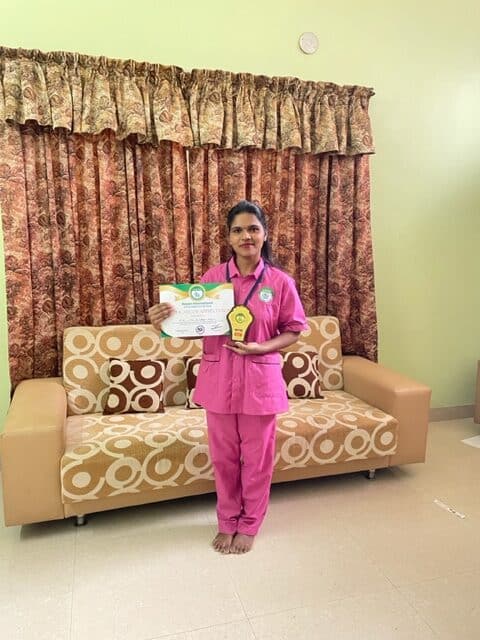
Postnatal care at home in Mangalore covers the mother's physical recovery and the newborn's health needs during the first weeks after delivery. A trained nurse should be in the home within 24 to 48 hours of hospital discharge – earlier is preferable for C-section mothers who return home with an incision that needs daily dressing. The postnatal nurse handles both the mother and baby simultaneously: monitoring uterine recovery, managing pain medication, supporting breastfeeding, tracking the newborn's feeding and weight gain, caring for the umbilical cord stump, and watching for warning signs such as postpartum haemorrhage or neonatal jaundice. Normal delivery and C-section recovery have different timelines – a vaginal delivery mother may need nursing support for 2 to 3 weeks, while a C-section mother typically needs 4 to 6 weeks. This page covers the full recovery timeline, newborn care protocol, C-section wound management, breastfeeding support, pricing, and hospital discharge coordination in Mangalore.
Post-Delivery Recovery Timeline
The mother's recovery follows a predictable pattern over the first six weeks. The nurse adjusts the care plan as the mother moves through each stage:
Week 1: The uterus contracts back toward its pre-pregnancy size – the nurse palpates the fundus daily to confirm it is descending as expected (roughly one finger-breadth per day). Lochia (postpartum vaginal discharge) is heavy and red during this first week. The nurse monitors lochia volume, colour, and odour to catch signs of infection or retained placental tissue early. Pain management is critical, especially for C-section mothers – the nurse administers prescribed analgesics on schedule and positions the mother with pillows to reduce incision strain during breastfeeding. Breastfeeding initiation is the primary focus: the nurse helps the mother with positioning (cradle hold, cross-cradle, football hold for C-section mothers) and ensures the baby latches correctly. For C-section mothers, the nurse cleans the incision with antiseptic, applies a fresh dressing, and documents the wound's appearance (redness, swelling, discharge) each day.
Weeks 2 – 3: The mother's mobility increases gradually. For vaginal deliveries with perineal tears or episiotomy, the nurse assists with sitz baths 2 to 3 times daily to promote healing and reduce discomfort. Lochia transitions from red to pinkish-brown, and the volume decreases. Breastfeeding should be establishing by now – the nurse tracks feeding duration and frequency (the newborn feeds every 2 to 3 hours) and watches for signs of adequate milk supply: the baby produces 6 or more wet diapers per day, stool transitions from meconium to yellow seedy stools, and weight gain resumes after the initial 5 – 10% loss. The nurse monitors the mother for postpartum bleeding – any return to heavy red bleeding or passage of clots larger than a 50-paise coin is reported to the obstetrician immediately. C-section sutures or staples are typically removed at the 10 – 14 day follow-up visit; the nurse coordinates this appointment.
Weeks 4 – 6: The mother gradually returns to normal activities. The nurse introduces gentle pelvic floor exercises (Kegel exercises) to strengthen muscles stretched during pregnancy and delivery. Lochia tapers off and stops. The postpartum checkup with the obstetrician is scheduled at 6 weeks – the nurse prepares a summary of the recovery, any complications encountered, and the mother's current medication list for this visit. By week 6, most mothers can manage independently, and nursing support is weaned. C-section mothers may need an extra 1 to 2 weeks of support if wound healing was slow or if complications occurred.
Enquire About Postnatal Care
Contact Us
Newborn Care at Home
The postnatal nurse provides complete newborn care alongside the mother's recovery. Every aspect of the baby's health is monitored and documented:
Feeding: Breastfeeding is the primary focus of the first two weeks. The nurse guides the mother through correct positioning – the baby's mouth should cover the entire areola, not just the nipple, to prevent cracked nipples and ensure adequate milk transfer. The nurse tracks each feed: time started, duration on each breast, and signs that the baby is swallowing (visible jaw movement, audible swallowing sounds). Newborns feed every 2 to 3 hours, including through the night – this is where night-shift nursing is most valuable. The nurse weighs the baby every 3 to 4 days using a digital infant scale to confirm weight gain is on track (15 – 30 grams per day after the initial post-birth weight loss stabilises).
Umbilical cord care: The cord stump dries and falls off within 7 to 14 days. The nurse keeps the area clean and dry – the diaper is folded below the stump to prevent urine contact. No alcohol or antiseptic is applied unless the paediatrician instructs otherwise (current WHO guidelines recommend dry cord care). The nurse checks the base of the stump at each diaper change for signs of infection: redness spreading onto the surrounding skin, foul-smelling discharge, swelling, or the baby crying when the area is touched. Any of these signs are reported to the paediatrician the same day.
Jaundice monitoring: Physiological jaundice (yellowing of the skin and eyes) appears in 60 – 80% of newborns between days 2 and 5. The nurse performs visual checks in natural daylight – pressing gently on the baby's forehead and chest to observe the underlying skin colour. Jaundice that appears within the first 24 hours, progresses below the knees, or is accompanied by poor feeding and excessive sleepiness is escalated to the paediatrician immediately. If phototherapy is prescribed, the nurse coordinates with the hospital or arranges home phototherapy equipment, monitors the baby's hydration during treatment, and tracks bilirubin levels through follow-up blood tests.
Daily care routines: The nurse bathes the baby once daily with warm water (37 – 38 degrees Celsius), using a mild soap only 2 to 3 times per week. Diaper changes happen every 2 to 3 hours or immediately after a bowel movement – the nurse cleans the area thoroughly and applies a barrier cream to prevent nappy rash. Sleep positioning follows paediatric guidelines: the baby is placed on the back on a firm, flat surface with no pillows, blankets, or toys in the sleeping area. The nurse monitors the baby's temperature with a digital thermometer – normal range is 36.5 to 37.5 degrees Celsius. Fever (above 38 degrees) in a newborn under 28 days requires immediate medical attention.
Vaccination schedule: The nurse tracks and reminds the family about the birth-dose vaccinations: BCG (tuberculosis), Hepatitis B (first dose), and OPV-0 (oral polio – zero dose). These are typically given before hospital discharge, but the nurse verifies the vaccination card and ensures no doses were missed. The next vaccination visit (at 6 weeks) is scheduled before the nursing support period ends.
C-Section Recovery Care
C-section deliveries account for roughly 30 – 40% of births in Mangalore's private hospitals. Recovery takes longer and requires more skilled nursing than vaginal delivery:
Incision care: The nurse cleans the C-section wound daily with normal saline or antiseptic solution as prescribed by the surgeon. A sterile dressing is applied, and the nurse documents the wound's condition – length of incision, edges (well-approximated or gaping), any redness extending beyond 1 cm from the wound edges, swelling, warmth, or discharge. Sutures or staples are removed at 10 to 14 days post-surgery during the follow-up visit. After suture removal, the nurse continues to keep the area clean and dry. Steri-strips may be applied and are left to fall off naturally.
Pain management: Post-C-section pain is managed with prescribed analgesics – typically a combination of paracetamol and ibuprofen on a fixed schedule rather than as-needed dosing. The nurse ensures medications are taken on time and documents pain levels using a simple 0 – 10 scale. Positioning matters: the nurse helps the mother use a pillow over the incision when breastfeeding (the football hold avoids pressure on the wound) and supports the mother while getting in and out of bed using the log-roll technique to minimise abdominal strain.
Mobility: Early mobilisation prevents blood clots and promotes faster recovery. The nurse assists the mother to sit up and walk short distances within 24 hours of surgery (this usually happens in the hospital). At home, the mother should walk around the house several times a day, increasing the distance gradually. Stair climbing is limited to once or twice daily for the first 2 weeks. Lifting anything heavier than the baby is restricted for 6 weeks. The nurse supervises these activities to prevent falls – post-surgical dizziness, low blood pressure, and anaemia are common in the first week.
When to call the doctor: The nurse is trained to recognise warning signs that require medical attention. These include: fever above 38 degrees Celsius (possible wound infection or endometritis), increasing redness or warmth around the incision, pus or foul-smelling discharge from the wound, wound edges separating, heavy vaginal bleeding (soaking more than one pad per hour), calf pain or swelling (possible deep vein thrombosis), difficulty breathing, or severe headache with visual changes (possible post-spinal headache or pre-eclampsia recurrence). The nurse contacts the obstetrician directly and arranges transport to the hospital if needed.
Breastfeeding Support
Breastfeeding difficulties are the most common reason families extend postnatal nursing beyond the initial plan. The nurse provides hands-on support through the learning period:
Common challenges: Latching difficulty is normal in the first few days – the nurse adjusts the baby's position, ensures the mouth opens wide before bringing the baby to the breast, and checks for tongue-tie if latching remains painful after correction. Low milk supply concerns arise frequently between days 3 and 5, before the mature milk fully comes in. The nurse reassures the mother, encourages frequent feeding (demand feeding, at least 8 – 12 times in 24 hours), and monitors output (wet diapers, stool frequency) to confirm the baby is getting enough. Breast engorgement typically peaks around days 3 to 5 when milk supply increases rapidly. The nurse applies warm compresses before feeds to soften the breast and cold compresses after feeds to reduce swelling. Cracked or sore nipples result from incorrect latch – the nurse corrects positioning and applies expressed breast milk or a lanolin-based cream to promote healing.
Nurse role in feeding support: The nurse maintains a feeding log – time, duration, which breast, and the baby's behaviour during and after the feed. This log helps identify patterns: a baby who feeds for 40 minutes but remains unsettled may not be transferring milk effectively. The nurse helps with breast pump use when the mother needs to express milk (for stored feeds, to relieve engorgement, or to increase supply). If a breast pump is needed, the nurse advises on the correct flange size and pumping schedule.
When to refer: The nurse recognises when a lactation consultant is needed rather than continued general nursing support. Persistent pain despite correct positioning, nipple damage that does not heal, suspected tongue-tie, and supply concerns despite adequate feeding frequency all warrant a specialist consultation. The nurse coordinates this referral with the family's paediatrician.
Formula supplementation: When the paediatrician prescribes formula supplementation (for significant weight loss, medical conditions affecting breastfeeding, or insufficient milk supply after lactation support), the nurse prepares formula per the paediatrician's instructions – correct dilution, sterilised bottles, and proper storage. Supplementation is given after breastfeeding, not as a replacement, unless the doctor advises otherwise. The nurse documents formula volumes alongside breastfeeding to give the paediatrician a complete feeding picture.
Postnatal Care Pricing in Mangalore
Postnatal nursing costs depend on the nurse's qualification and the shift duration.
| Nurse Qualification | Care Includes |
|---|
| GNM Nurse | Mother + newborn basic care, feeding support, vitals monitoring, hygiene, cord care |
| BSc Nurse | C-section wound care, complications monitoring, IV medication if needed, jaundice management |
Most families hire a night-shift nurse (7 PM – 7 AM) for the first 2 to 4 weeks – the nurse handles nighttime feeds, diaper changes, and the mother's medication while the family rests. 24-hour coverage is recommended for C-section recovery or twin deliveries where the care demands exceed what a single shift can cover.
Night nursing is the most common arrangement because newborn care is most demanding between midnight and 6 AM. The mother wakes only to breastfeed – the nurse brings the baby, assists with positioning, handles burping and settling, and manages all diaper changes. This uninterrupted rest accelerates the mother's recovery significantly.
Hospitals We Coordinate Discharge From
Our postnatal nurses work with mothers delivering at all major maternity hospitals in Mangalore. Here are the hospitals we coordinate with most frequently:
Lady Goschen Hospital (Government Wenlock): Mangalore's main government maternity hospital. It handles a high volume of deliveries daily, including both normal and complicated cases. Discharge happens quickly – often within 24 hours for normal deliveries. Our nurse is ready to start care the same day the mother arrives home.
KMC Hospital Mangalore (Manipal group): A private hospital with a well-equipped maternity ward and NICU (Neonatal Intensive Care Unit). Mothers delivering here receive detailed discharge summaries with specific feeding instructions and follow-up schedules. Our nurse reviews these instructions before the first home visit and follows the KMC paediatrician's protocol for newborn care.
AJ Hospital: Known for its maternity department, AJ Hospital handles high-risk pregnancies including gestational diabetes, pre-eclampsia, and complicated C-sections. Mothers discharged from AJ Hospital after high-risk deliveries often need BSc-level nursing for the first 2 weeks. Our coordinator contacts the AJ obstetrics team before discharge to confirm the care requirements.
Father Muller Medical College Hospital: A private hospital with maternity services and a NICU. Premature babies or newborns who spent time in the Father Muller NICU may need continued monitoring at home – the nurse tracks weight gain, feeding volumes, and developmental milestones as per the neonatologist's discharge plan.
Yenepoya Medical College Hospital: A university hospital with a specialised obstetrics department. Yenepoya handles complex deliveries and has a teaching hospital environment where discharge protocols are comprehensive. Our nurses are familiar with their documentation format and follow-up scheduling.
How coordination works: The family shares the hospital discharge summary with us – either before delivery (if the nurse is pre-booked) or on the day of discharge. The nurse reviews the summary for delivery type, any complications, medications prescribed, feeding instructions, and follow-up dates. The nurse starts within 24 hours of the mother reaching home. For C-section mothers, the nurse coordinates the suture removal appointment and accompanies the mother to the first post-operative follow-up visit if the family requests it.
Cost of Care in Mangalore
These are starting prices for nursing and caretaker care in Mangalore. The final rate depends on the patient's condition, the care needed and the hours required.
| Care setting | Starting price |
|---|
| Care at home | ₹900 – ₹1,200 per day (24 hours) |
| Care in hospital | ₹1,300 – ₹1,700 per day (24 hours) |
| Monthly care | From ₹28,000 onwards |
The coordinator confirms the exact figure in writing after the free home assessment. See the home nurse cost page for how the rate is set.
Frequently Asked Questions
When should postnatal home nursing start?
Postnatal home nursing should begin within 24 to 48 hours of hospital discharge. For normal deliveries, this means the nurse arrives the same day or next day after the mother comes home. For C-section mothers, discharge happens 3 to 5 days after surgery, and the nurse should be in the home on the day of arrival. Booking before the delivery date ensures a nurse is confirmed and available when you return from the hospital.
What does a postnatal nurse do at night?
The night nurse (7 PM – 7 AM) manages all nighttime newborn feeds, bringing the baby to the mother for breastfeeding and handling burping, diaper changes, and settling the baby back to sleep. The nurse also administers the mother's medications on schedule, monitors for postpartum warning signs (heavy bleeding, fever, breast engorgement), and checks the C-section incision if applicable. The goal is for the mother and family to get uninterrupted sleep, which is essential for post-delivery recovery.
How long do families need postnatal nursing?
Most families need 2 to 6 weeks of postnatal nursing. Normal delivery mothers typically hire a night nurse for 2 to 3 weeks – until breastfeeding is established and the mother feels confident handling the newborn independently. C-section mothers usually need 4 to 6 weeks because wound healing restricts mobility and the mother needs help with lifting and positioning. First-time mothers tend to extend by 1 to 2 weeks compared to mothers who have had previous deliveries.
Is a GNM or BSc nurse needed for postnatal care?
A GNM nurse is sufficient for uncomplicated normal deliveries and routine C-section recovery – she handles breastfeeding support, newborn care, vitals monitoring, basic wound care, and daily hygiene. A BSc nurse is needed when the mother had a complicated C-section (wound infection, haemorrhage), has pre-eclampsia requiring continued BP monitoring, needs IV medications, or when the newborn has conditions such as neonatal jaundice requiring phototherapy coordination or respiratory distress needing oxygen monitoring.
Do you provide separate nurses for mother and baby?
One nurse manages both mother and newborn in most cases. Postnatal care is inherently integrated – breastfeeding involves both mother and baby, and the nurse's routine cycles between mother care (vitals, medication, wound check) and baby care (feeding support, cord care, bathing, diaper changes). Separate nurses are recommended only for twin or triplet deliveries, or when the mother has a serious complication requiring dedicated nursing attention while the newborn also needs specialised monitoring.
How do I book postnatal nursing in Mangalore?
Call +91 96631 01975. Share your expected delivery date, the hospital where you plan to deliver, and whether you anticipate a normal delivery or C-section. We match a nurse with postnatal and newborn care experience to your needs. Booking 2 to 4 weeks before the due date is recommended so the nurse is confirmed. The nurse can start the same day you return home from the hospital.